How to Avoid a Pulled Facelift Look: Key Considerations
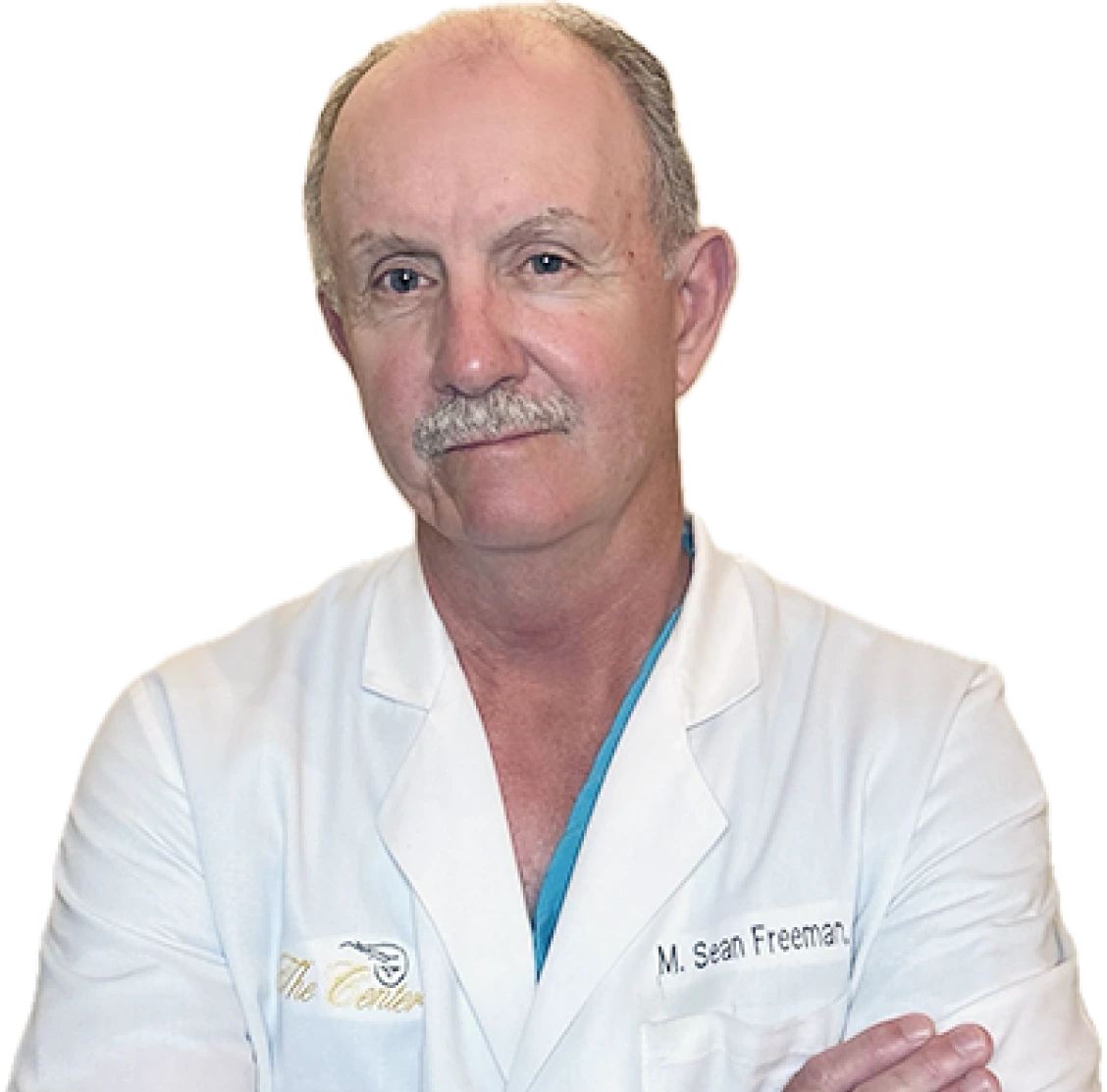
The surest way to avoid a pulled facelift look is to choose a surgeon and a technique that reposition the deeper support layers of the face rather than stretching the skin. A natural result also depends on a plan built around your own anatomy, attention to the neck and eyes, and a surgeon with years of experience reading faces. We wrote How to Avoid a Pulled Facelift Look: Key Considerations to explain each of these factors so you can recognize a natural approach before you commit to surgery.Dr. Sean Freeman is a double board-certified facial plastic surgeon who has performed facelifts in Charlotte, NC since 1988. He operates only on faces. His goal in every lift is a face that looks rested and refreshed, not “done.”
Understanding the “Pulled” or “Fake” Facelift Look
A pulled facelift is one where the result draws attention to the surgery rather than to the person. Friends notice that something looks different, but the face no longer moves or rests the way it used to. Knowing what causes this look helps you avoid it.
What Causes an Overdone Appearance
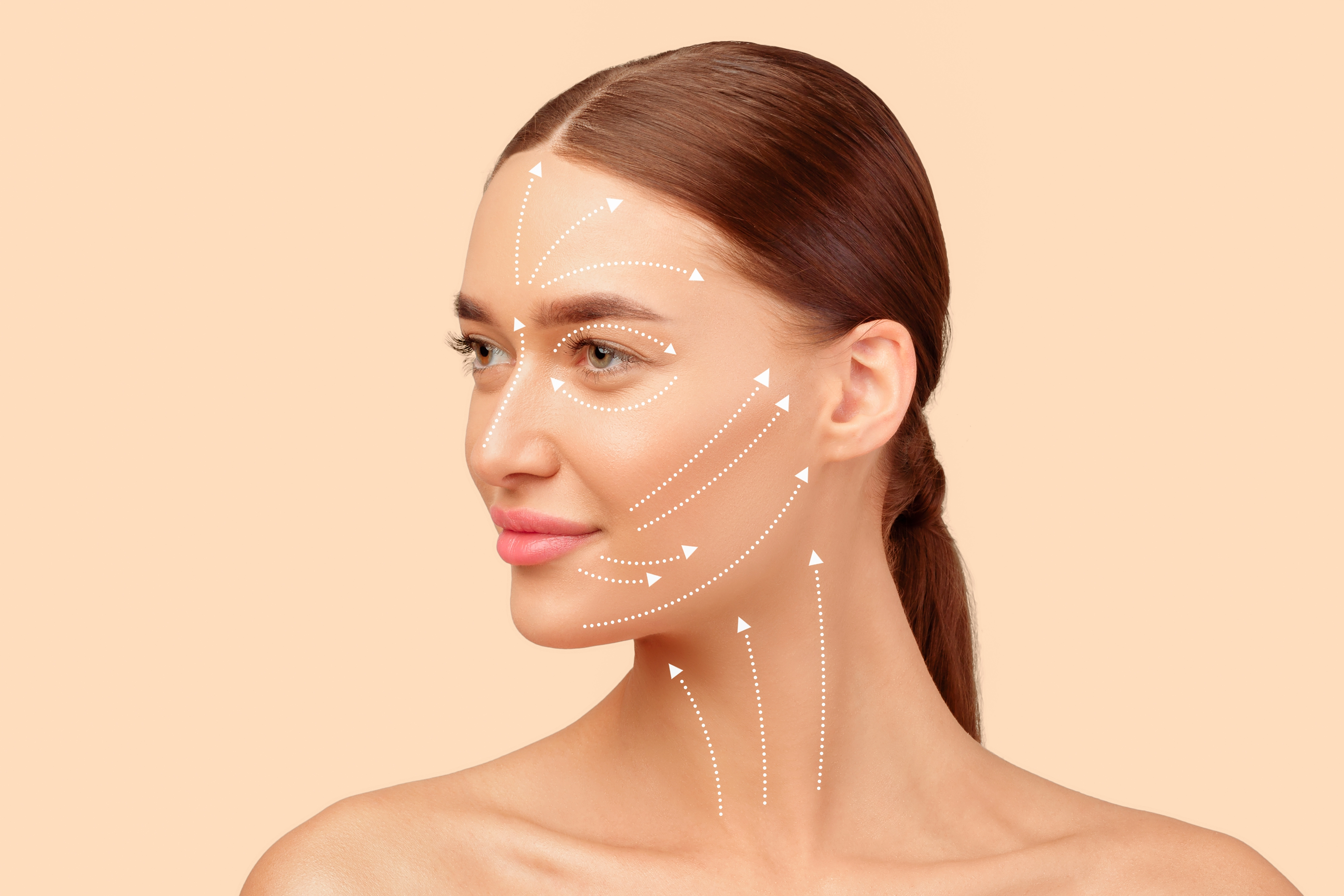
Most overdone results come from placing the tension in the wrong layer. When the skin carries most of the lift, it gets stretched across the face. Skin is not designed to hold that load, so it looks tight and flat.Direction matters too. Pulling the face sideways toward the ears creates a swept look that never occurs in nature. Faces age by sliding downward, so a natural lift moves tissue back up along the path it came from.Another cause is treating one area in isolation. A tight lower face paired with heavy eyelids or a loose neck creates a mismatch. The eye reads that contrast as artificial, even when each area looks fine on its own.Finally, a lift that ignores lost fullness can leave the cheeks hollow. Tightening deflated tissue without restoring its shape makes the face look gaunt rather than youthful.
Red Flags That Signal a “Too Tight” Facelift
These signs often point to a lift that went too far or used the wrong approach:
A windswept appearance, with features that look pulled toward the ears
Flattened cheeks that have lost their natural curve
Corners of the mouth that look stretched or widened
Skin that appears shiny, thin or tight across the cheekbones
A smooth lower face next to tired eyes or a loose neck
Expressions that look stiff when the person smiles or talks
If you notice these traits in a surgeon’s results, they tell you something about that surgeon’s approach.
Why Modern Facelift Techniques Matter
The technique a surgeon uses has a direct effect on whether your result looks natural. Facelift surgery has changed a great deal, and the gap between older methods and current ones is wide.
Outdated vs. Advanced Approaches
Older facelifts relied heavily on tightening the skin. The result could look smooth at first, but the tension showed. Because skin stretches over time, these lifts also tended to relax, and some patients responded with another tighter lift.Advanced approaches work beneath the skin. Dr. Sean Freeman has performed deep plane facelifts for more than 20 years. He lectured and published on the technique long before it became a popular term. Today he performs the Preservation Deep Plane Facelift and is one of the few surgeons in the United States to offer it.His Triplanar Preservation Facelift is the next evolution of the deep plane approach. It includes the SOOF Lift Blepharoplasty that Dr. Sean Freeman pioneered. According to Dr. Sean Freeman, this combination delivers twice the lift in the midface compared to other techniques. The Triplanar Preservation Facelift also offers a “no drains” recovery.
How Modern Facelifts Achieve Natural Results
Deeper facial support: the role of the deep plane technique. The deep plane lift repositions the deeper layer of the face and neck as one unit rather than pulling on the skin. Because the structural tissue carries the lift, the skin can rest over it without strain. This is why Dr. Sean Freeman’s patients do not look “done.”Tailoring the lift to your facial anatomy. No two faces age the same way. One patient may have heavy jowls and neck laxity, while another has mild sagging and early changes around the jawline. Dr. Sean Freeman offers three facelift operations and recommends the one your anatomy needs. A lift matched to your face avoids doing too much in some areas and too little in others.Restoring volume for softer, youthful contours. Much of what looks like lost volume is tissue that has slid downward. When a lift raises the cheek tissue back to where it once sat, the face regains fullness on its own. The SOOF Lift Blepharoplasty addresses the area where the lower eyelid meets the cheek, which helps the midface and eyes age in step with the lower face.Conservative lifting for subtle enhancement. A natural result rarely comes from maximum tension. The goal is to take years off the face while keeping your expressions and character. For patients with milder changes, a lighter procedure often gives a more believable result than a full lift.Complementary treatments for facial balance. A face looks natural when every area appears to be the same age. Eyelid surgery, a brow lift or laser resurfacing can bring the upper face and skin quality in line with a lifted lower face. Dr. Sean Freeman pioneered the Segmental Endoscopic Brow Lift, which he uses to refresh the brow area with a natural look.Dr. Freeman explains the Triplanar Deep Plane Facelift, which includes his SOOF lift blepharoplasty for more lift in the midface.
Choosing the Right Facelift Procedure
The right procedure is the one that matches how much your face has changed. Choosing a larger operation than you need can lead to an overdone look. Choosing a smaller one can leave you with a result that fades too soon.
Types of Facelifts Explained
Mini-Facelift. A mini facelift treats early to moderate sagging along the jawline and lower face. Our lighter option is the MiniTuck facelift, designed for mild to moderate sagging. We also offer the Signature Lift, a procedure Dr. Sean Freeman developed and has improved over time. It is more advanced than the “weekend” facelift popularized by the media. The Signature Lift helps younger patients who do not need a deep plane facelift with neck lift. It also helps patients who had a deep plane facelift years ago and are starting to see new signs of aging. Patients can expect a younger-looking neck and jowl area with decreased recovery time.Standard Facelift. A traditional facelift tightens the skin and the muscle layer beneath it to improve the lower face and jowls. How natural it looks depends on how the surgeon distributes the tension. For many patients with more advanced aging, a deeper approach gives a softer result.Deep Plane Facelift. The deep plane facelift is designed for established jowls and neck laxity. Dr. Sean Freeman performs the Preservation Deep Plane Facelift paired with a neck lift. Because it lifts the deeper layer as a single unit, it addresses the cheeks, jowls and neck together. This approach lets the face move naturally after surgery.You can read more about each option on our facelift.
The Importance of Neck and Eye Rejuvenation
A face can look lifted and still look odd if the neck and eyes do not match. These areas often show age as clearly as the jawline does.
Why Addressing the Neck and Eyes Is Essential for Natural Results
The neck and jawline frame the lower face. If the jowls are lifted but the neck stays loose, the contrast stands out. Dr. Sean Freeman pairs the deep plane facelift with a neck lift so the two areas are treated as one region. The neck lift works on the platysma muscle and the contour of the jawline. In every neck lift, Dr. Sean Freeman aims to rejuvenate the appearance without making the skin look stretched or “operated on.”The eyes are often the first place people look. Heavy upper lids, puffy lower lids or a hollow area beneath the eye can make a lifted face look tired. Eyelid surgery can address the upper lids, lower lids or both. The SOOF Lift Blepharoplasty adds support where the lower lid meets the cheek, which helps the midface and eyes age in step with the lower face.A low or heavy brow can also weigh down the upper face. Treating the brow alongside the eyes keeps the whole face in balance. When every zone looks refreshed to the same degree, people see a rested face rather than a surgery.
Surgeon Experience and Artistic Skill
Technique is only part of a natural result. The judgment behind each decision matters just as much.
Why Experience Matters So Much
Every facelift involves many small choices. The surgeon decides how far to lift, which direction to move tissue and how to balance one side of the face with the other. These decisions come from years of seeing how faces heal and age after surgery.Dr. Sean Freeman has performed facelifts in Charlotte, NC since 1988 and has focused on facial plastic surgery for 30 years. He operates only on faces. He pioneered the SOOF Lift Blepharoplasty and the Segmental Endoscopic Brow Lift, and he trains fellow surgeons in his techniques. That depth of focus shapes how he plans each lift. You can learn more on our About Dr. Freeman page.
How to Evaluate a Surgeon’s Results
Start with credentials and focus. Confirm that the surgeon is board certified and ask how much of their work involves the face. A surgeon who performs facial procedures every week develops a sharper eye for subtle detail.Next, look for consistency. One good result can happen by chance. A large set of natural results across many patients shows a reliable approach. Look for patients who resemble you in age, face shape and degree of aging.Patient reviews also help. Our testimonials page shares what patients say about their experience with Dr. Sean Freeman.Dr. Freeman explains what to consider when choosing a facial plastic surgeon, including experience and techniques such as the segmental brow lift and the preservation deep plane lift.
Ensuring a Natural-Looking Facelift Outcome
A natural result starts long before surgery. Knowing what to look for and what to ask helps you make a confident choice.
What to Look for in Before-and-After Photos
Good photos use the same lighting, angle and expression before and after. Changes in makeup or lighting can hide or exaggerate a result. Look for front, side and three-quarter views, since a swept look is often easiest to see from the side.Study the cheeks for natural fullness and curve. Check the corners of the mouth to make sure they look relaxed rather than stretched. Look at the neck and jawline to see whether they match the rest of the face. Then ask yourself one simple question: does the person still look like themselves?
Questions to Ask During Your Consultation
Your consultation with Dr. Sean Freeman is a chance to understand exactly what your face needs. Consider asking:
Which procedure do you recommend for my face, and why?
How does this technique treat the deeper layers rather than the skin?
Do my neck, eyes or brows need attention for a balanced result?
How will my result look in the years ahead?
What does recovery involve with this approach?
Can I see results from patients with features similar to mine?
You should leave with a clear plan, an understanding of why it fits your anatomy and a realistic picture of your result.
Key Takeaways: How to Avoid a Pulled Facelift Look
If you remember one point from How to Avoid a Pulled Facelift Look: Key Considerations, make it this: a natural facelift lifts the deeper structure of the face, not the skin. Match the procedure to how much your face has changed. Treat the neck, eyes and brows so every area looks the same age. Choose a surgeon whose experience and consistent results show the natural approach you want. With these factors in place, your face can look younger while still looking like you.
About the Author
Dr. Sean Freeman MD, FACS
Dr. Sean Freeman is a double board-certified facial plastic surgeon in Charlotte, NC, with extensive experience in facial plastic surgery and rhinoplasty since the early 1980s.