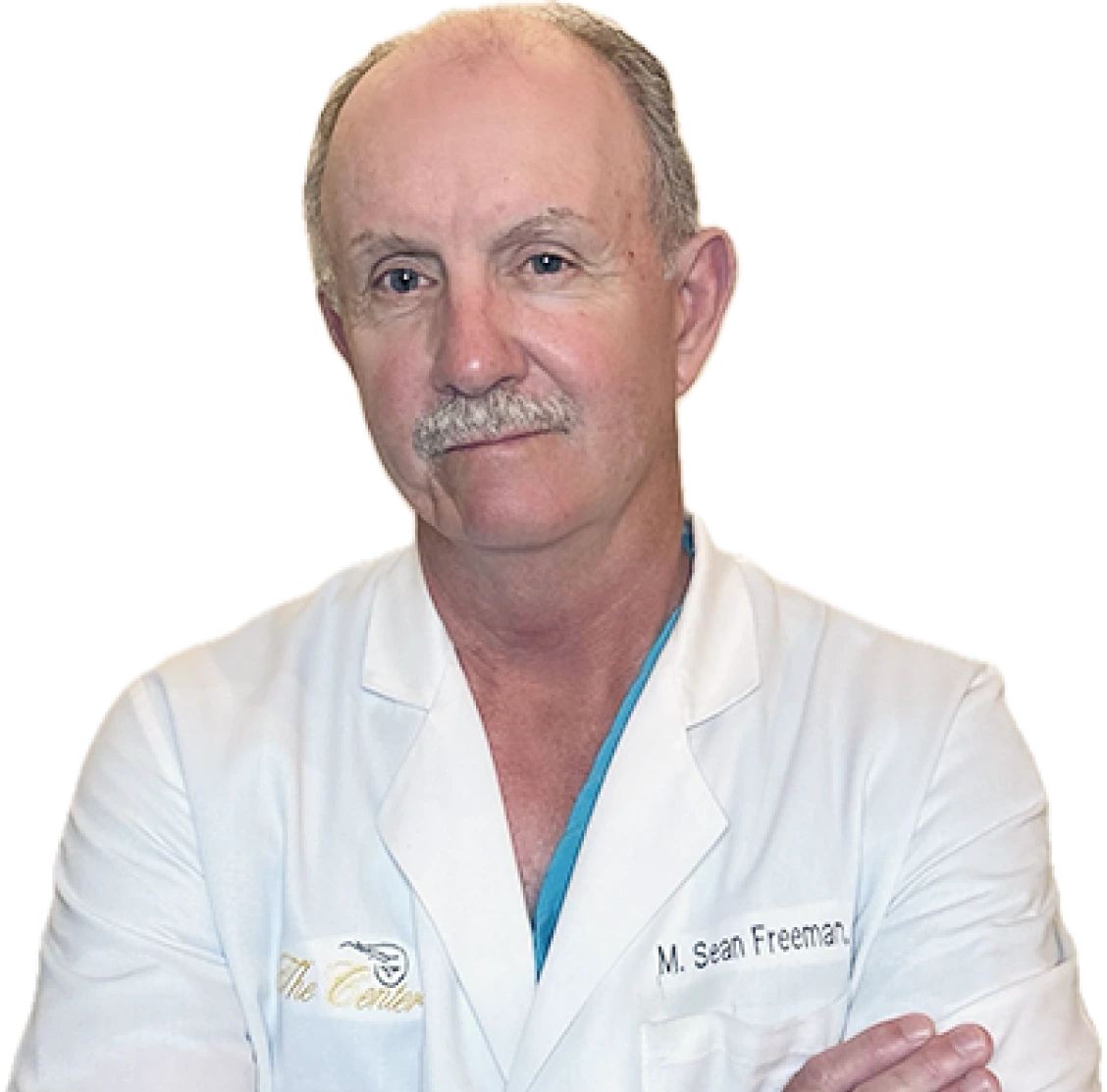
Medically reviewed by Dr. Sean Freeman, MD, FACS, facial plastic surgeon in Charlotte, NC.
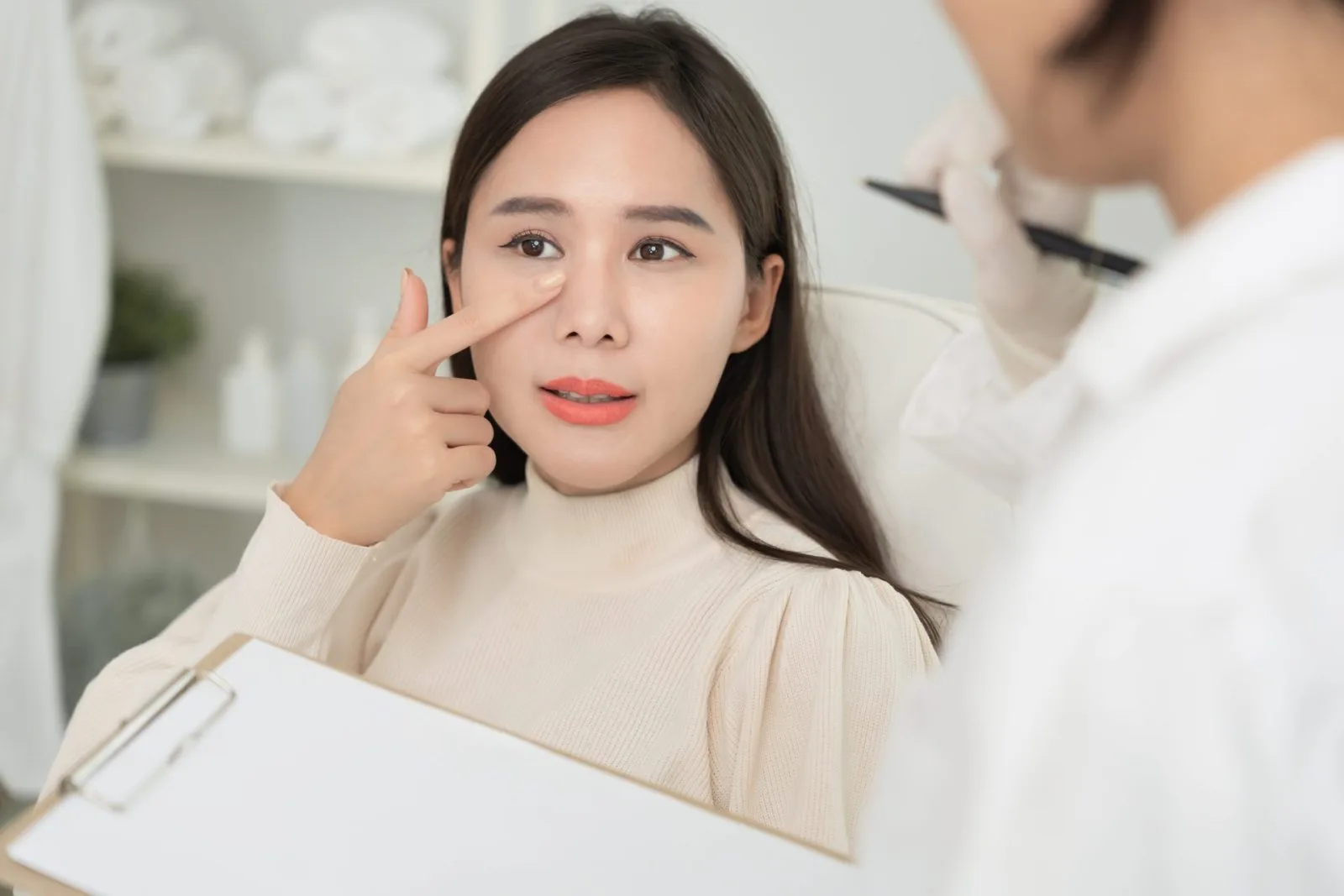
Fat transfer can soften hollow under eyes by moving a patient’s own fat into the area where volume has been lost. It is a reasonable option for some patients, but it is not the only surgical answer. This article, explains what causes hollowness, how fat grafting works, how it compares to fillers, and why we often look at repositioning fat before moving it from somewhere else.
Hollowness under the eyes creates shadows that can make a person look tired, older, or unwell, even after a full night of sleep. Many patients describe it as dark circles that makeup cannot cover. The cause is usually structural, so it responds to treatment that addresses structure.

Several factors can create a hollow look:
Volume loss. The soft tissue between the lower eyelid and the cheek thins over time.
Fat shifting. Fat that once cushioned the lower lid can bulge forward and create a groove beneath it.
Cheek descent. As the cheek settles lower, the junction between the lid and cheek becomes more visible.
Genetics. Some people inherit a deep tear trough and notice hollowness in their twenties or thirties.
Thin skin. Delicate lower lid skin lets underlying shadows and blood vessels show through.
Most patients have a mix of these factors. That mix decides which treatment makes sense.
With age, the fat pads of the face shrink and move. In the lower lid, the result is often a combination of puffiness and hollowness at the same time. Fat pushes forward into a bag, and the area just below it looks sunken by contrast.
Many patients who look hollow do not lack fat. Their fat is simply in the wrong place.
Fat transfer, also called fat grafting, is a surgical procedure that moves fat from one part of the body to another. For the under-eye area, the goal is to fill the groove between the lower lid and the cheek so the transition looks smooth.
In general terms, fat is taken from an area with extra fullness, such as the abdomen or thighs. It is then purified and placed in very small amounts beneath the skin of the lower lid and upper cheek. Because the material comes from the patient’s own body, there is no foreign substance involved.
Transferred fat needs a blood supply to survive in its new location. Not every fat cell takes hold. Some of the grafted fat is absorbed by the body in the weeks after surgery, and the amount that survives varies from person to person.
The lower lid has very thin skin. Even a small, uneven amount of fat can show as a lump or ridge. Placement in this area takes careful technique and a conservative hand.
When it is done well on the right patient, fat grafting offers several advantages.
Fat is the patient’s own tissue, so there is no synthetic product to manage. Fillers are temporary and need repeat sessions to maintain results. Fat that survives the transfer can remain in place over the long term.
We do not use fillers under the eye. For that reason, we steer patients with under-eye hollowness toward surgical solutions.
Fat cells that establish a blood supply tend to stay. This gives fat grafting a longer lifespan than temporary fillers. The face keeps aging, however, so no procedure stops the clock completely. Results last longest when the treatment matches the actual cause of the hollowness.
Fat has a soft, natural texture once it settles. It moves with facial expressions and blends with surrounding tissue. The aim is a rested look, not a filled or puffy one.
Patients often arrive having read about both options. Fat Transfer for Hollow Under Eyes: A Surgeon’s Take is shaped by what happens years after treatment, not just in the first few weeks.
Source. Fat comes from the patient. Fillers are manufactured products.
Duration. Surviving fat can last for years. Fillers wear off and need repeat treatment.
Setting. Fat transfer is a surgical procedure. Fillers are injected in an office visit.
Predictability. Filler volume is known at the time of injection. Fat survival varies, so the final amount takes time to show.
We use fillers mainly for the depth of the nasolabial folds and for cheek enhancement. We do not generally recommend fillers for older patients, because the results usually are not worth the expense. You can read more on our Fillers.
The right choice depends on why the area looks hollow. If true volume loss is the main problem, adding fat may help. If fat has shifted forward into a bag, adding more fat below it can leave the lid looking heavy.
This is the thinking behind the SOOF lift. Rather than removing under-eye fat, which can leave the eye looking hollow, or bringing in fat from another part of the body, the SOOF lift repositions the patient’s existing fat. It addresses puffiness, hollowness, and under-eye shadows in the same procedure. We consider the SOOF lift blepharoplasty a new and better way to rejuvenate the aging lower lid.
For many patients, that means the hollow is filled with fat that is already there and already has a blood supply. Learn more about lower blepharoplasty at our office.
The lower lid is one of the most delicate areas of the face. Small decisions about how much tissue to move, remove, or add show clearly in the final result.
An exam in person is the only way to know which approach fits. Still, some general patterns help patients understand where they may stand.
Patients who tend to do well with surgical treatment of hollowness include those who:
Have a visible groove between the lower lid and cheek
See shadows or dark circles that persist despite rest and skincare
Have both bags and hollowness under the eyes
Want a long-term result rather than repeat filler visits
Are in good general health and do not smoke
Have realistic goals for a refreshed, natural look
Some patients may be better served by a different approach. A patient whose hollowness is caused mainly by forward-shifted fat may benefit more from repositioning than from adding volume. Patients whose main concern is loose skin or hooding of the upper lid may need upper blepharoplasty. When the cheek itself has flattened, may be part of the conversation.
Patients with health conditions that affect healing should discuss them openly so the plan accounts for their full medical picture.
Good results start with a clear plan built around the patient’s anatomy and goals.
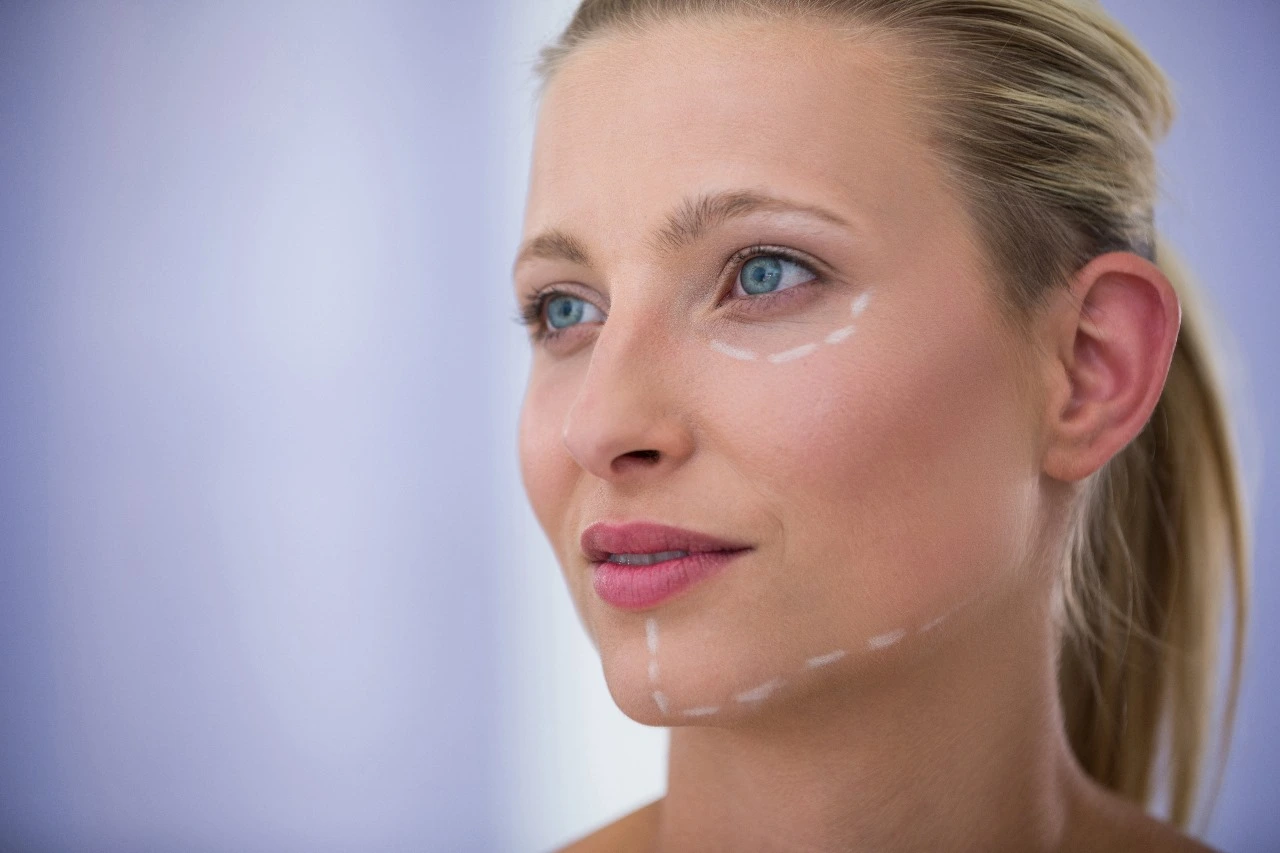
During consultation, Dr. Freeman examines the lower lids, cheeks, and overall facial structure. He explains what is causing the hollowness and which approach fits. Patients leave knowing whether repositioning, adding volume, or a combination makes sense for them.
Our preparing for surgery page covers general steps patients take in the weeks before an operation.
Under-eye surgery at our office is a one-day procedure. The SOOF lift is performed without external incisions, which preserves the delicate anatomy of the lower lids. When upper and lower blepharoplasty are done together, the combined surgery can be completed in under two hours. Patients go home the same day.
Dr. Sean Freeman performs every eyelid surgery at our office himself. Consultations are with him directly, so the surgeon who evaluates the patient is the surgeon who operates. You can read more about the doctor on our website.
Recovery is personal, and it depends on the procedure performed and the patient’s own healing.
Swelling and bruising around the eyes are common in the first days after surgery. They gradually fade over the following weeks. Most patients feel ready for everyday activities well before the area looks fully settled. Dr. Freeman gives each patient a timeline based on their specific plan.
Follow all written aftercare instructions closely.
Keep your head elevated when resting during the first several days.
Use cold compresses as directed to help with swelling.
Avoid strenuous exercise and heavy lifting until cleared.
Protect the area from sun exposure.
Avoid smoking, which slows healing.
Keep all follow-up visits so progress can be checked.
Early results show once the initial swelling goes down. The final look takes longer because the tissues need time to soften and settle into position. With fat grafting, the final volume becomes clear only after the body has absorbed the fat that did not survive. Patience during this period helps patients judge the result fairly.
Under eyes rarely appear on their own. Many patients also notice heavy upper lids, a lower brow, or changes in the cheeks and jawline. Treating these areas together can create a more balanced result.
Common pairings at our office include:
Upper and lower blepharoplasty for a full refresh of the eye area
Brow lift, including the Segmental Endoscopic Brow Lift that Dr. Freeman developed
Facelift procedures for patients with changes in the midface and neck
Laser resurfacing to improve skin texture and tone around the eyes
Combining procedures can also mean a single recovery period rather than several. Dr. Freeman will explain which combinations make sense for each patient’s face.
Fat transfer can improve hollow under eyes by adding the patient’s own tissue where volume has been lost. Its results can last longer than fillers, which we do not use under the eye. Many patients, however, have shifted fat rather than missing fat. For them, the SOOF lift repositions existing fat to smooth hollows, bags, and shadows without external incisions. The takeaway from this article is simple: the right treatment depends on the cause, and an exam by an experienced facial plastic surgeon is the way to find it.