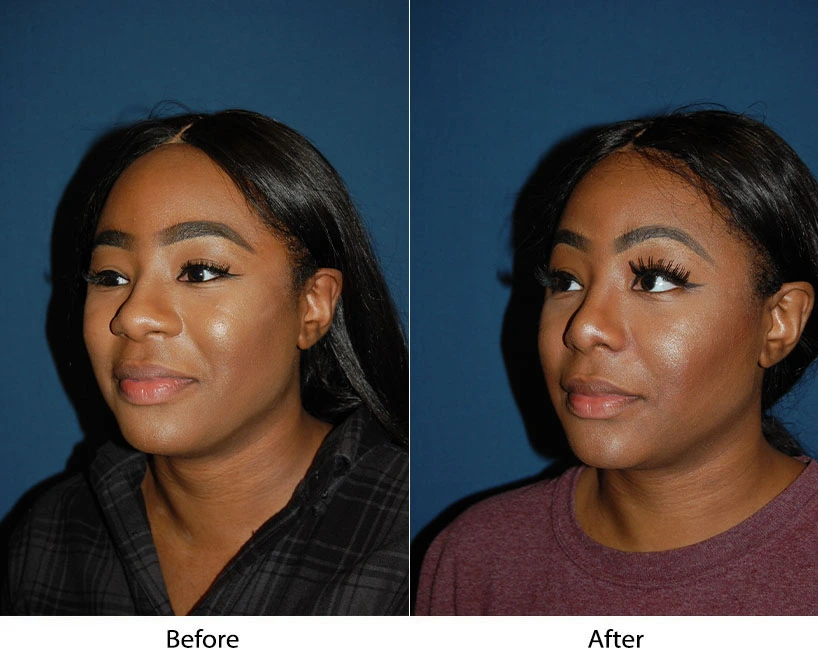
Rhinoplasty in Charlotte, NC

Dr. Sean Freeman has performed rhinoplasty in Charlotte since 1988 and has refined noses since the early 1980s. He prefers the closed (scarless) approach for first-time noses, which leaves no external incision, heals faster and lets him judge the shape as he works; open rhinoplasty is reserved for revisions and twisted noses. Our gallery holds 125 rhinoplasty cases and 17 revision cases photographed in our own office, and most patients are back at work in about two weeks.

Rhinoplasty
in Charlotte, NC

Dr. Sean Freeman has performed rhinoplasty in Charlotte since 1988 and has refined noses since the early 1980s. He prefers the closed (scarless) approach for first-time noses, which leaves no external incision, heals faster and lets him judge the shape as he works; open rhinoplasty is reserved for revisions and twisted noses. Our gallery holds 125 rhinoplasty cases and 17 revision cases photographed in our own office, and most patients are back at work in about two weeks.

Play testimonial video

What is
Rhinoplasty?

Rhinoplasty reshapes the bone and cartilage of the nose to improve its appearance, its breathing, or both. At Only Faces the procedure is planned around your face, not a template: Dr. Freeman examines the tip, bridge, nostrils and septum, photographs you from six angles, and discusses what a refined but still recognizably your nose looks like. He performs rhinoplasty in Charlotte under general anesthesia with his own anesthesia team, the surgery takes about 2 to 3 hours, and you go home the same day. When a deviated septum restricts breathing it is corrected during the same operation (septorhinoplasty).

Types of Rhinoplasty Banner

Types of
Rhinoplasty

Patients seek Dr. Freeman’s expertise in Rhinoplasty for different reasons leading to the different types of rhinoplasty. The approach used to improve the appearance of the nose will also depend on the type of rhinoplasty each patient needs, which is of course determined by the exam. 

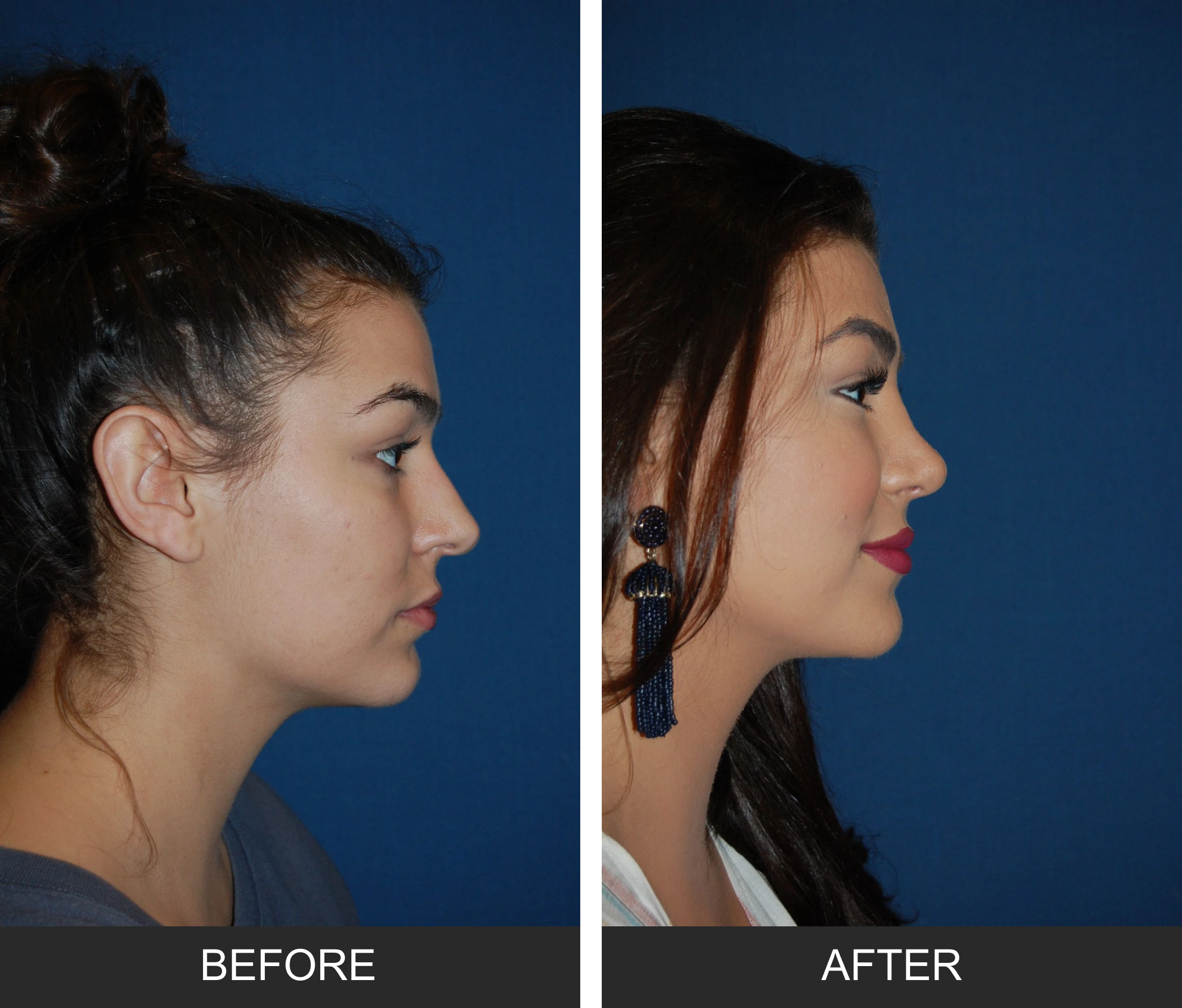
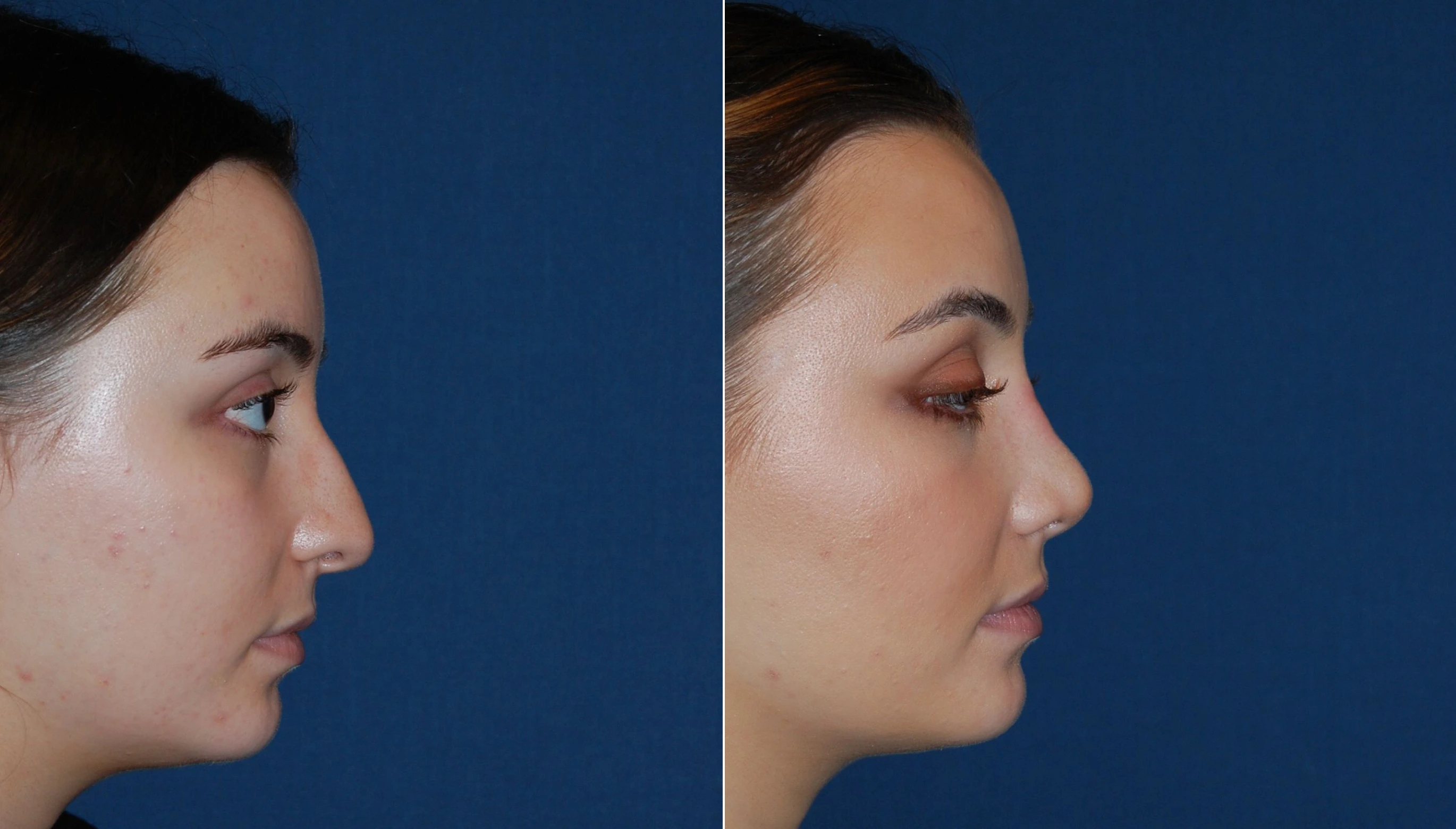
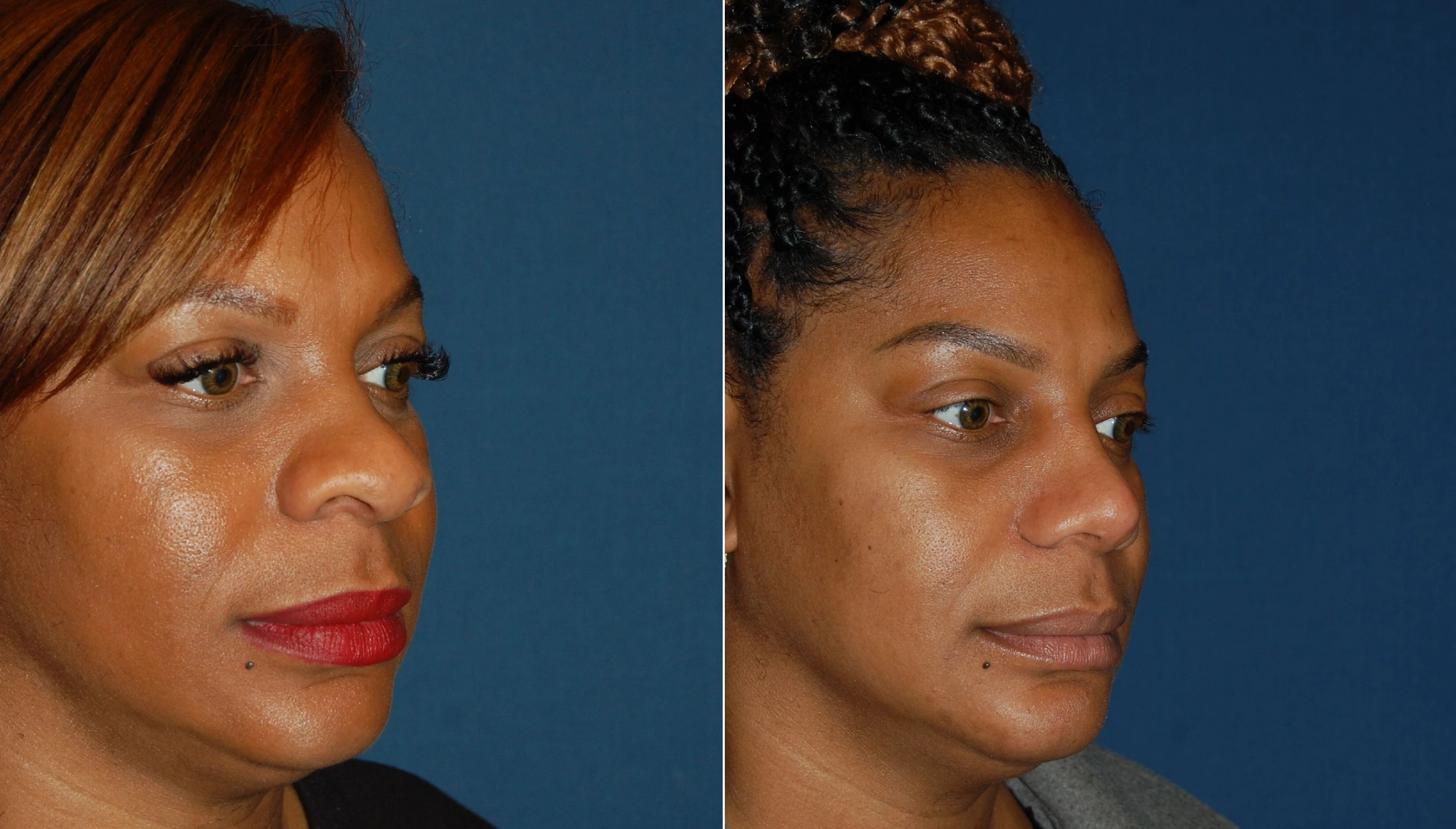
Reduction Rhinoplasty is a surgical procedure that reduces the size of the nose to create a more balanced and proportional facial appearance. It can involve reshaping areas like the nasal tip, bridge, or overall length, making the nose smaller and more harmonious with the rest of the face. It is the most common type of rhinoplasty and is usually done closed.

Woman's profile before and after rhinoplasty, side-facing view

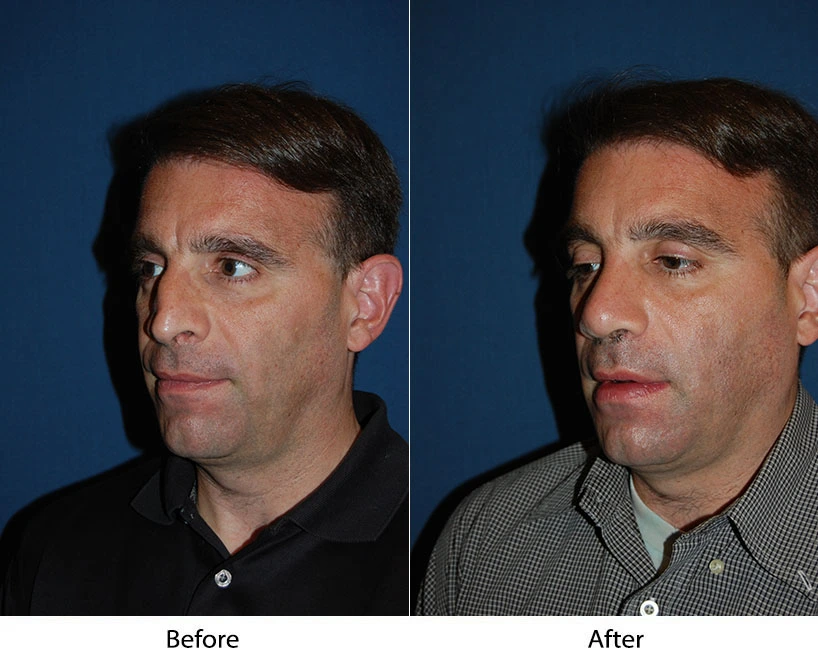
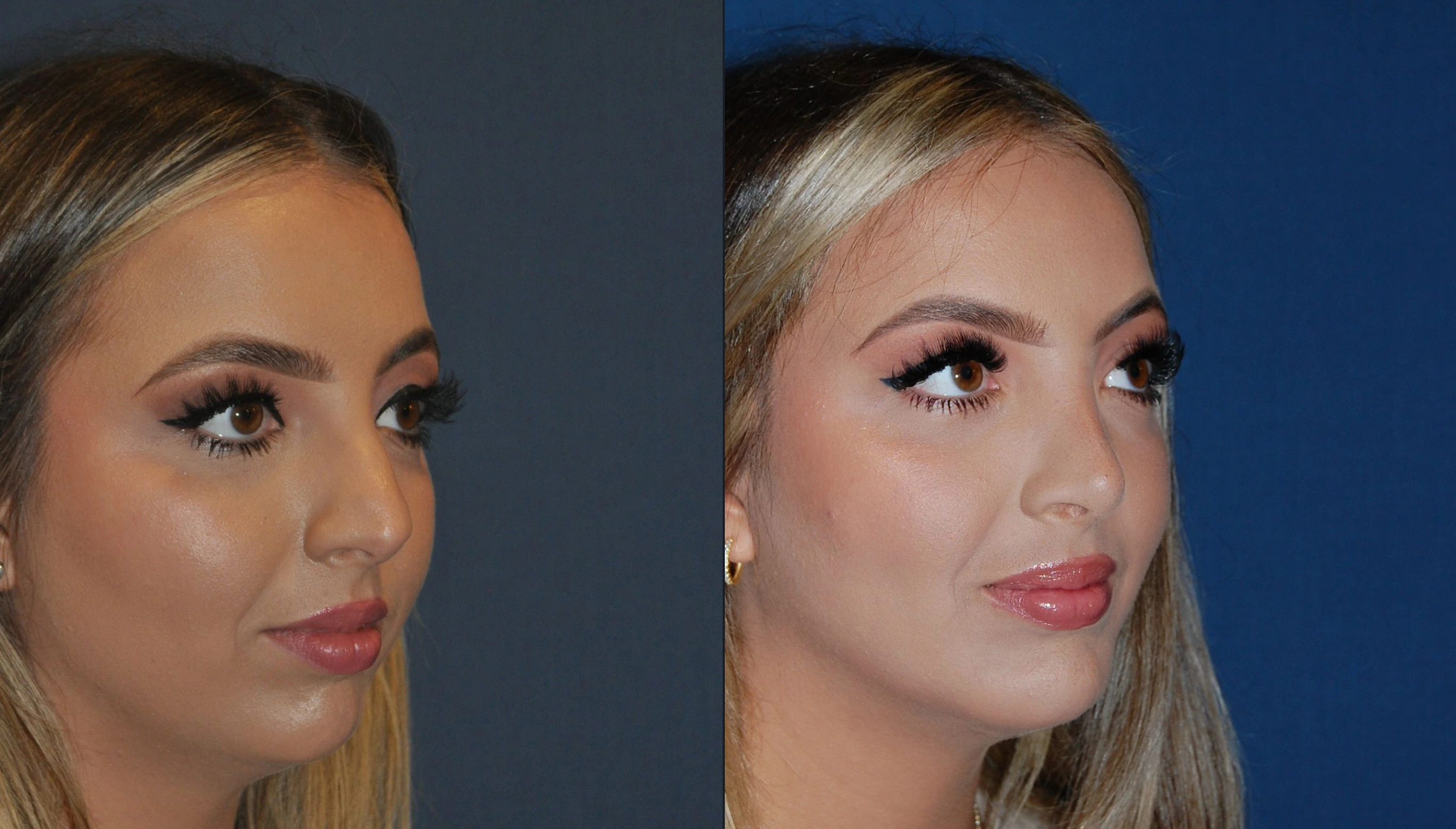
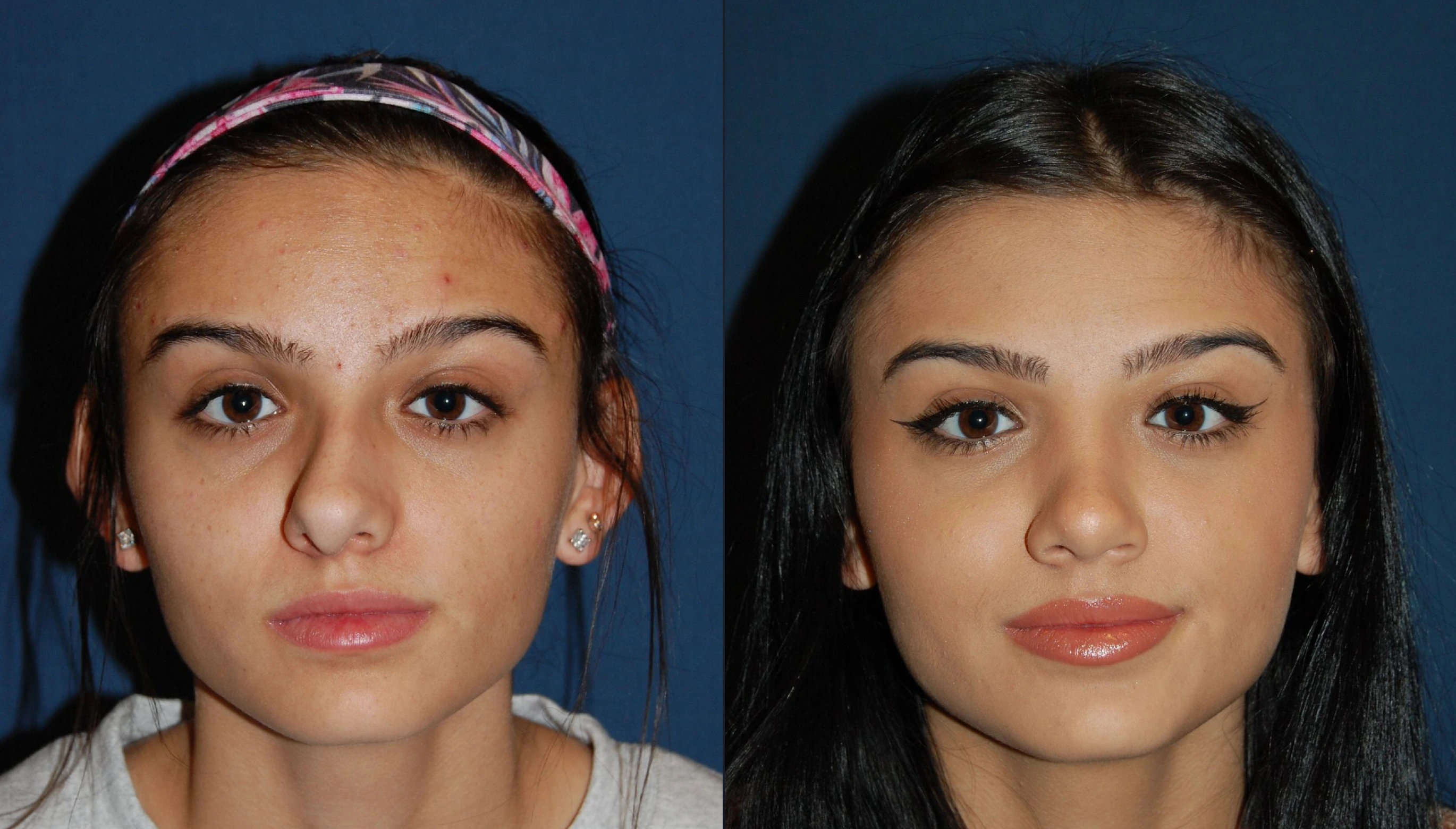
Augmentation Rhinoplasty is a surgical procedure that enhances or increases the size of the nose. It typically involves adding tissue or implants to areas like the nasal bridge or tip to create a more defined and proportional appearance, often for those with a flat or underdeveloped nose. The goal is to improve the overall shape and balance of the nose in relation to the face. The approach used in each patient varies, depending on the exam.

Before and after three-quarter views of augmentation rhinoplasty showing enhanced nasal projection

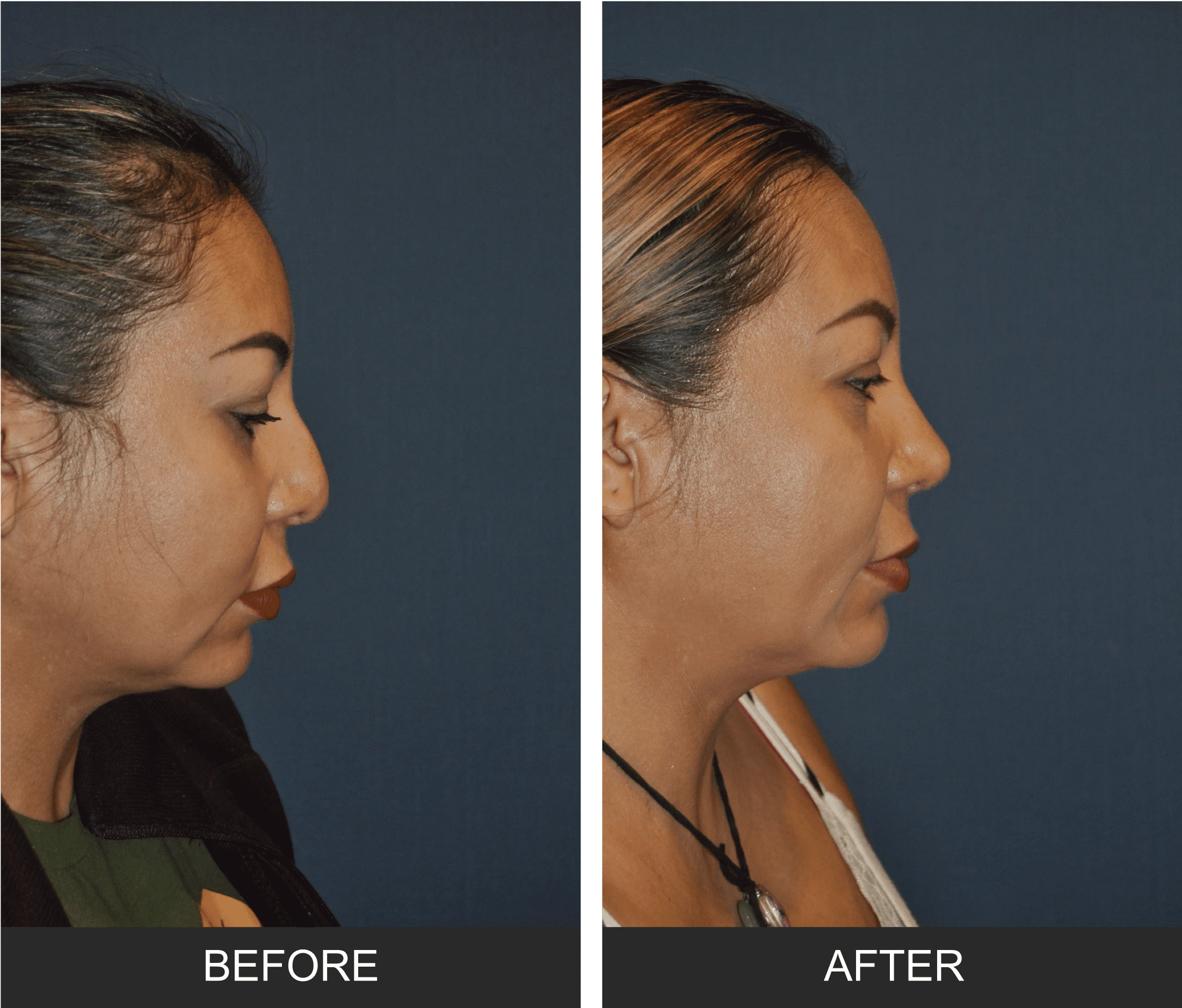
Revision rhinoplasty is performed on patients who have a previous rhinoplasty and have unsatisfactory results. This complex surgery requires a high level of expertise, and Dr. Freeman has extensive experience in correcting and improving upon previous Rhinoplasty. We’ll work closely with you to understand your concerns and develop a tailored plan to achieve the results you originally desired. These procedures are almost always performed using an open approach.

Before and after revision rhinoplasty side profiles labeled, showing improved nose shape and definition

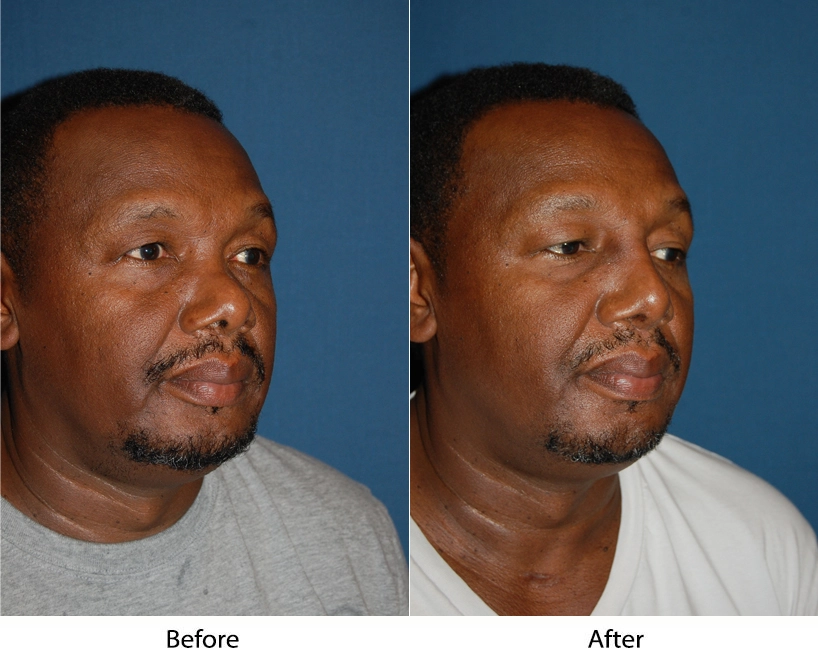
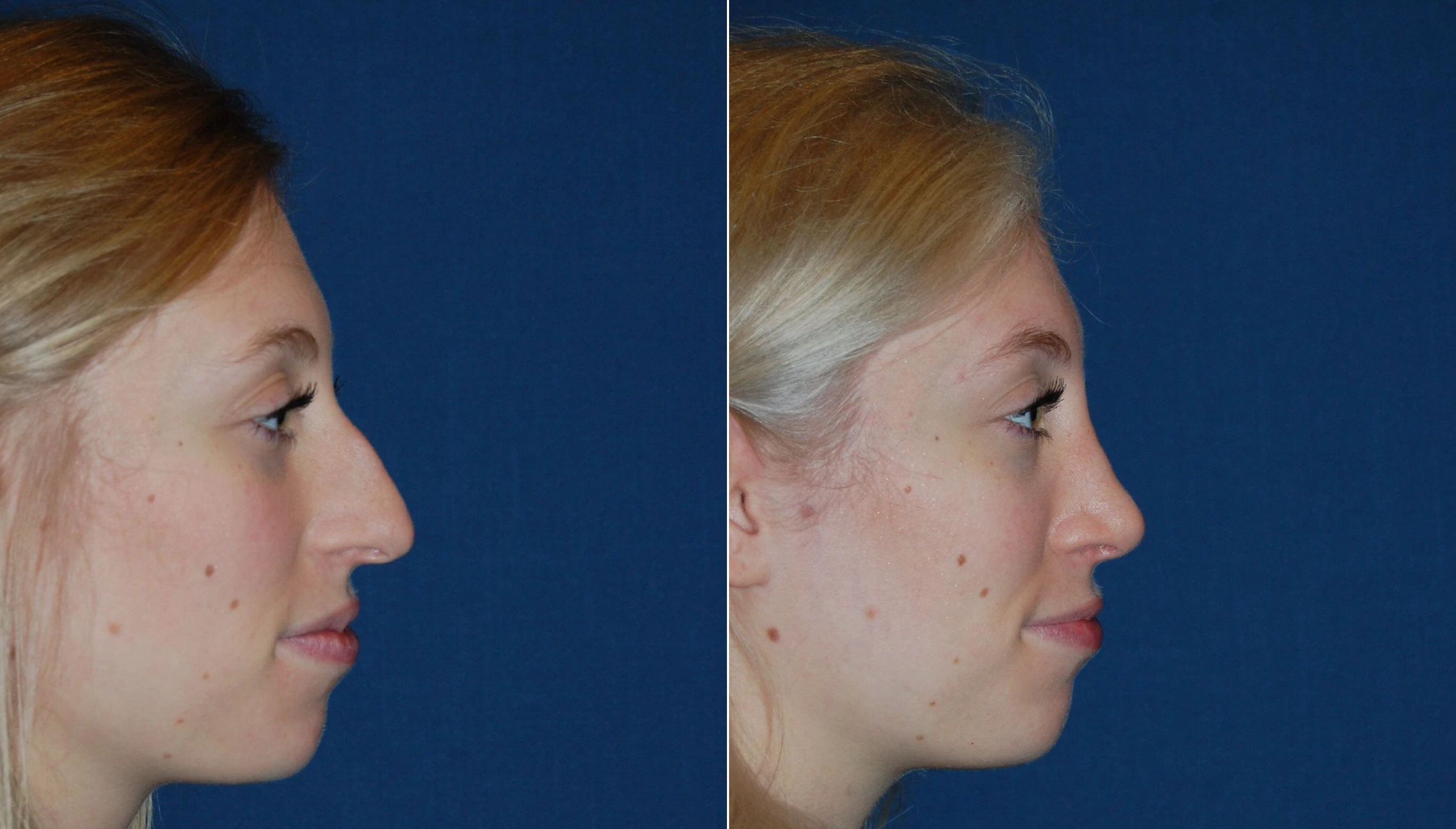
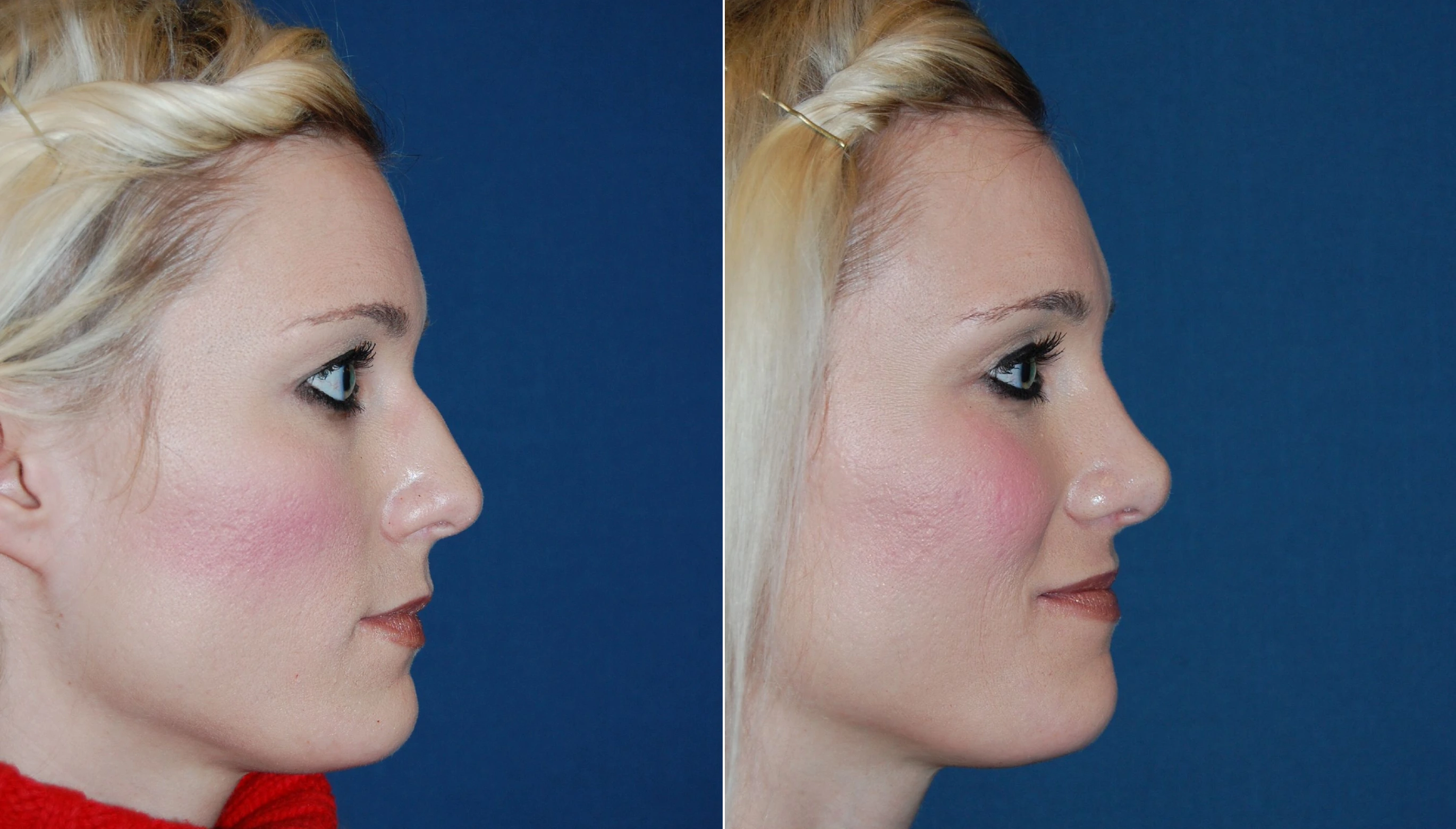
One of the more difficult Rhinoplasty procedures, this usually requires an open approach. Cartilage grafting, repositioning of the superior portion of the septum and changing the location of the nasal bones are all part of the equation.

Man's nose in profile before and after rhinoplasty surgery

Alar Rim Surgery involves changing the shape of a patient’s nostrils. Dr. Freeman advises against performing this surgery at the same time as a Rhinoplasty or Revision Rhinoplasty. The main reason is that reshaping the tip cartilage during Rhinoplasty usually alters the nostril shape in a way that cannot be predetermined, making it unwise to operate on the nostrils simultaneously. Additionally, the visible incision from nostril surgery typically heals poorly due to swelling from the Rhinoplasty.For these reasons, Nostril Surgery is not done on the same day as the Rhinoplasty, but 3-6 months after the Rhinoplasty.

Nostril surgery is usually done under local anesthesia with minimal swelling and bruising, making it a patient-friendly procedure. Dr. Freeman notes that only 10% of Rhinoplasty patients choose to have alar rim surgery after their rhinoplasty. This suggests that the procedure is often overperformed elsewhere.
There are two main types of nostril surgery: the Weir procedure, used for nostril flaring after reduction rhinoplasty, and the nasal sill procedure, more common in augmentation rhinoplasty, often for patients with African, Asian, or Indian heritage. Sometimes, both procedures are necessary.

Before and after three-quarter views of nostril surgery showing refined nostril shape

Teen Rhinoplasty is a surgical procedure designed for adolescents who are unhappy with the appearance or function of their nose. It can address concerns such as a dorsal hump, wide nostrils, or breathing issues, while maintaining natural balance with facial features. This procedure is typically considered once nasal growth is complete, usually around ages 15–17, to ensure lasting and stable results.

Rhinoplasty
Before & After Pictures

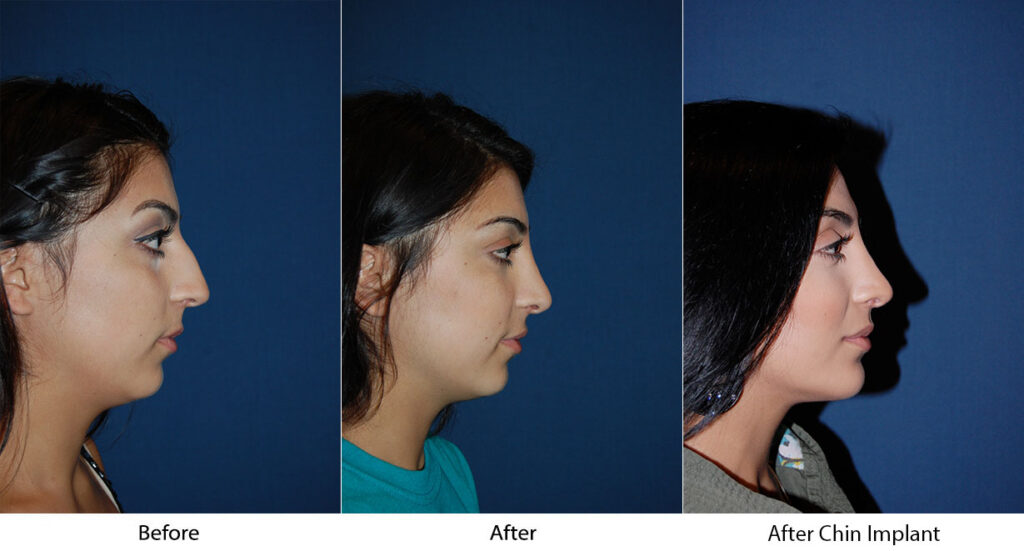
Three profile views showing before, after, and after chin implant results

Add On-Surgery with Rhinoplasty
Chin Implant

Many of Dr. Freeman’s patients who choose to undergo Rhinoplasty also opt for a Chin Implant. This combination helps enhance the balance and harmony of the facial features, ensuring that the nose and chin work together to create a more proportionate and aesthetically pleasing appearance. By addressing both areas, patients often achieve a more balanced profile and overall facial symmetry.

Open vs Closed Rhinoplasty
What's the difference?

Rhinoplasty techniques generally fall into two categories: open and closed. Closed Rhinoplasty is less invasive, has no visible incision, heals faster, and gives Dr. Freeman better feedback during surgery. It is Dr. Freeman’s preferred approach for virgin noses. However, not all rhinoplasty patients are candidates for closed Rhinoplasty

In contrast, open Rhinoplasty is Dr. Freeman’s preferred method for Revision Rhinoplasty, some augmentation Rhinoplasties and twisted noses. This technique involves a small incision across the columella (the tissue between the nostrils), providing more access to the nasal structure. This enhanced visibility allows Dr. Freeman to perform more precise and comprehensive modifications, addressing both aesthetic and functional concerns as needed. The open approach is beneficial for complex cases.

While it may involve a slightly longer recovery time, the results achieved through open Rhinoplasty often outweigh this minor consideration, making it the procedure of choice for patients seeking significant improvements who have a more complex presentation.

Woman in profile touching her chin and neck, illustrating facial harmony after rhinoplasty

Rhinoplasty
Procedure

Dr. Freeman’s approach to Rhinoplasty is tailored to each patient’s unique facial structure and aesthetic goals. Here’s an overview of what you can expect during this cosmetic procedure at Only Faces:

  • Dr. Freeman will thoroughly examine your nose and facial structure.
  • You’ll discuss your goals and concerns.
  • Together, you’ll develop a customized surgical plan.
  • The procedure is typically performed under general anesthesia for your comfort.
  • Depending on your needs, Dr. Freeman will use either a closed (incisions inside the nose) or open (small incision on the columella) approach.
  • Dr. Freeman will carefully modify the bone, cartilage, and soft tissue of your nose to achieve the desired shape and function.
  • This may involve reducing a bump, refining the nasal tip, or improving overall symmetry.
  • If necessary, grafts may be used to ensure long-term structural integrity and optimal breathing function.
  • The incisions are meticulously closed with fine sutures.
The entire procedure typically takes 2-3 hours, depending on the complexity of the case. Dr. Freeman’s expertise in facial plastic surgery ensures natural-looking results that enhance your overall facial harmony while maintaining or improving nasal function.

Recovery After Rhinoplasty

The rhinoplasty recovery process varies from patient to patient, but here’s a general timeline:

First Week

Most patients experience swelling and bruising. You'll need to keep your head elevated and use cold compresses on your eyes to reduce swelling. Certain pain medications may be prescribed to manage discomfort. After 6 days Dr. Freeman will remove your cast and replace it with tape.

Second week

Tape is removed. Swelling continues to subside. You may return to work and normal activities, but should avoid any activities that cause sweating. Dr. Freeman will give you written instructions to follow this week to help with the healing process. Most patients go back to work after 2 weeks.

six to eight weeks

The first set of post-op photos will be taken and further instructions will be provided by Dr. Freeman.

During this recovery period, you shouldn’t wear glasses for 4-6 weeks to prevent pressure on the healing nose. Dr. Freeman provides detailed post-operative instructions and schedules regular follow-up appointments to monitor your healing process and final outcome.

Ideal Candidate for Rhinoplasty

Good candidates for rhinoplasty typically include individuals who:
Dr. Freeman conducts an in-depth consultation with each patient to assess their medical history, discuss their goals, and determine if rhinoplasty is the right choice for them.

Benefits of Rhinoplasty

Rhinoplasty surgery offers numerous benefits, both aesthetic and functional:

Dr. Freeman's Rhinoplasty Results in Charlotte

These are Only Faces patients. The first video is Dr. Freeman explaining why he performs closed rhinoplasty; the second walks through the healing timeline our Charlotte patients actually experience, week by week. The gallery link below opens all 125 rhinoplasty cases with post-op dates.

Dr. Freeman on closed rhinoplasty

Healing after rhinoplasty, week by week

Cost of a Rhinoplasty in Charlotte

Rhinoplasty with Dr. Freeman in Charlotte costs $15,000 to $25,000, which covers the surgeon, anesthesia, the operating room and all post-operative visits. Where your nose falls in that range depends on:

Revision rhinoplasty, a twisted nose, and a combined chin implant sit at the upper end; a finesse tip refinement sits at the lower end. You receive a written quote after your consultation, and financing is available. There is no charge to come back for follow-up visits during the first year.

Rhinoplasty in Charlotte: Questions Patients Ask

How much does a nose job cost in Charlotte, NC?

At Only Faces a rhinoplasty costs $15,000 to $25,000 all-inclusive (surgeon, anesthesia, facility and follow-up). Revision rhinoplasty and combined chin implants are at the top of that range.

Is Dr. Freeman a board-certified rhinoplasty surgeon?

Yes. He is double board-certified (American Board of Otolaryngology, 1987; American Board of Facial Plastic and Reconstructive Surgery, 1991) and has practiced only facial surgery in Charlotte since 1988.

Open or closed rhinoplasty: which will I have?

Most first-time noses are done closed, with all incisions inside the nostrils and no visible scar. Revisions and twisted noses usually need the open approach so Dr. Freeman can see and rebuild the framework directly.

How long is rhinoplasty recovery?

The cast comes off on day six and is replaced with tape for a week. Most patients return to work and school at two weeks, resume exercise at about six weeks, and avoid glasses on the bridge for four to six weeks.

Is 30 (or 50) too late for a nose job?

No. Dr. Freeman’s gallery includes patients in their teens and in their 50s, 60s and beyond. For patients under 18 see our teen rhinoplasty page.

Can my nostrils be narrowed at the same time?

Dr. Freeman stages alar rim surgery after the rhinoplasty has healed, because reshaping the tip changes the nostrils in a way that cannot be predicted on the day of surgery.

Serving Charlotte, Ballantyne and the Carolinas

Only Faces is at 11220 Elm Lane in south Charlotte, between Ballantyne and Pineville, a short drive from SouthPark, Matthews, Fort Mill and Rock Hill. Patients also travel from Huntersville, Lake Norman, Concord, Gastonia, Hickory and Winston-Salem; Dr. Freeman explains how out-of-town patients are managed in his video on the subject, and the office coordinates pre-op testing and follow-up around the drive. Call (704) 543-1110 or book online.

Why Choose Us for Your Rhinoplasty?

Dr. Sean Freeman, MD, FACS, is double board-certified by the American Board of Otolaryngology (1987) and the American Board of Facial Plastic and Reconstructive Surgery (1991). He completed his facial plastic surgery fellowship at Washington University in St. Louis under J. Regan Thomas, MD, and has operated in Charlotte since 1988, with hospital appointments at Atrium Health Carolinas Medical Center, Atrium Health Mercy and Novant Health Presbyterian. He has served on the editorial boards of Archives of Facial Plastic Surgery and Facial Plastic Surgery Clinics of North America, and Only Faces holds a 4.8-star rating across 140 Google reviews.

Here is what that experience means for your nose:

  • Dr. Freeman will thoroughly examine your nose and facial structure.
  • You’ll discuss your goals and concerns.
  • Together, you’ll develop a customized surgical plan.
  • Dr. Freeman has been performing Rhinoplasties for over 25 years.
  • Depending on your needs, Dr. Freeman will use either a closed (incisions inside the nose) or open (small incision on the columella) approach.
  • Dr. Freeman will carefully modify the bone, cartilage, and soft tissue of your nose to achieve the desired shape and function.
  • This may involve reducing a bump, refining the nasal tip, or improving overall symmetry.
  • If necessary, grafts may be used to ensure long-term structural integrity and optimal breathing function.
  • The incisions are meticulously closed with fine sutures.

Dr. Freeman has lectured on and published facial plastic surgery techniques for more than three decades, and he films many of his rhinoplasty results for his YouTube channel so you can judge the work yourself before you book. His closed approach, his insistence on doing alar rim (nostril) surgery as a separate stage so the final nostril shape is predictable, and his habit of removing the cast on day six and taping the nose for a second week are all visible in the cases above.

Only Faces Logo Banner
About