Medically reviewed by Dr. Sean Freeman, MD, FACS, facial plastic surgeon in Charlotte, NC.
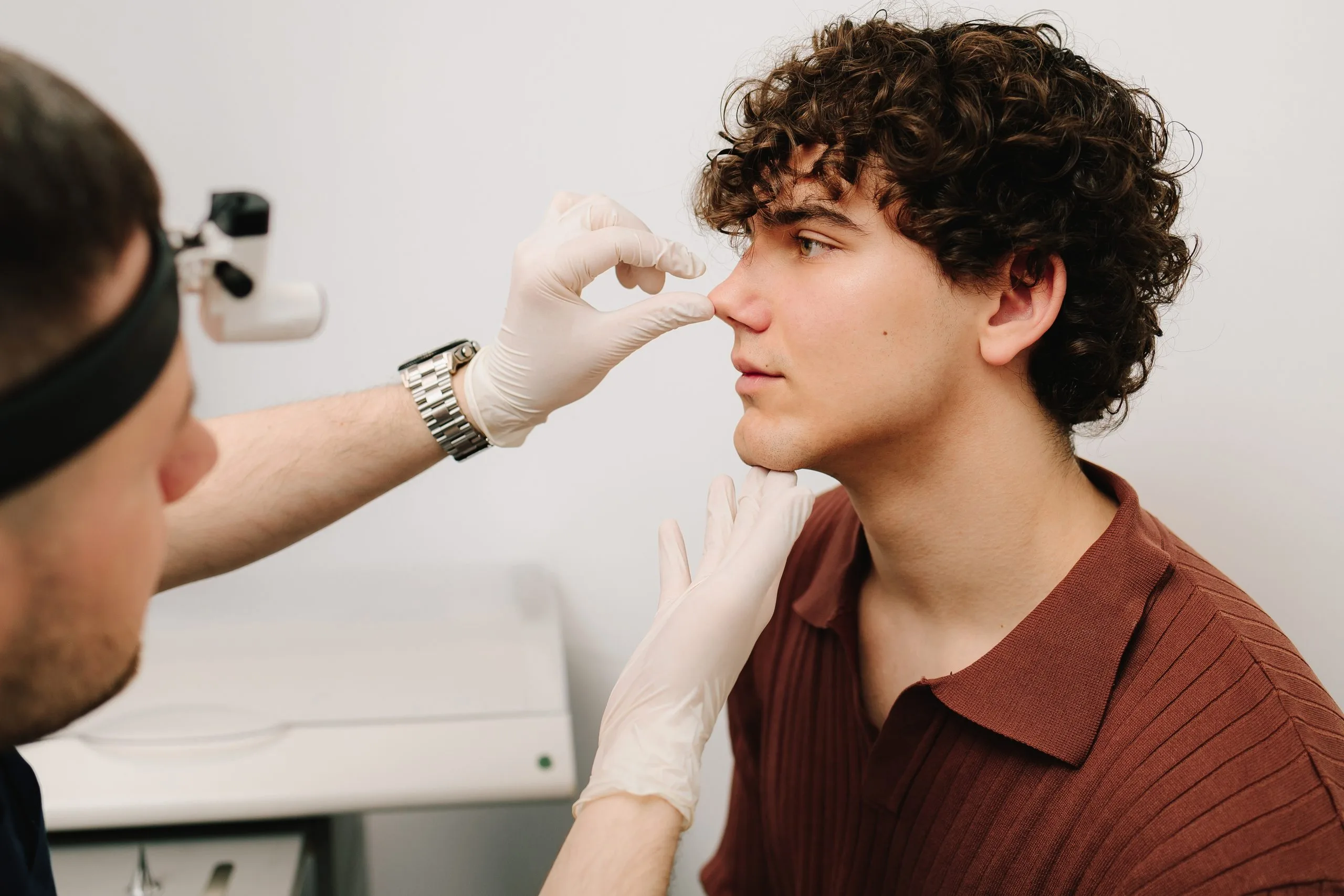
When choosing a revision rhinoplasty surgeon, look for a specialist who focuses on the nose, has extensive experience correcting prior surgeries, holds board certification, and can show natural-looking results. Revision rhinoplasty is one of the most demanding procedures in facial plastic surgery, so the surgeon’s focus, training, and track record matter more here than in almost any other operation.
Revision rhinoplasty is a second (or sometimes third) nose surgery performed to fix problems left behind by an earlier procedure. These problems may be cosmetic, functional, or both. It is widely regarded as one of the most challenging procedures in plastic surgery, demanding skill and experience far beyond those required for a primary rhinoplasty.
A first rhinoplasty works with original, untouched tissue – a revision does not. The original surgeon has already altered the delicate framework of bone and cartilage, so the revision surgeon must navigate:
Scar tissue that can obscure normal anatomy and make reshaping less predictable
A potentially compromised blood supply
A weakened or depleted structural foundation
When cartilage has been removed or over-reduced, a revision surgeon may need to rebuild the structure using grafts, harvesting cartilage from other areas, such as the ear or rib, if the septum is depleted. This requires both technical skill and an artistic eye – a delicate balance of engineering and artistry that only comes with years of dedicated practice.
Understanding your specific concern helps you choose a surgeon with the right experience to address it. Common reasons include:
Breathing problems that developed or were never resolved, often due to a collapsed nasal valve or deviated septum that wasn’t adequately addressed
Chronic congestion from an altered internal structure
Tip issues – a tip that looks pinched, droopy (ptotic), over-rotated, too wide, too narrow, or asymmetrical
Bridge problems – an over-reduced or scooped bridge (saddle nose deformity), a remaining hump, or a bridge made too wide or too narrow
Visible irregularities, such as bumps, dips, or uneven edges
Asymmetry – a crooked nose or uneven nostrils
Alar (nostril) issues that may require precise correction, such as alar rim surgery
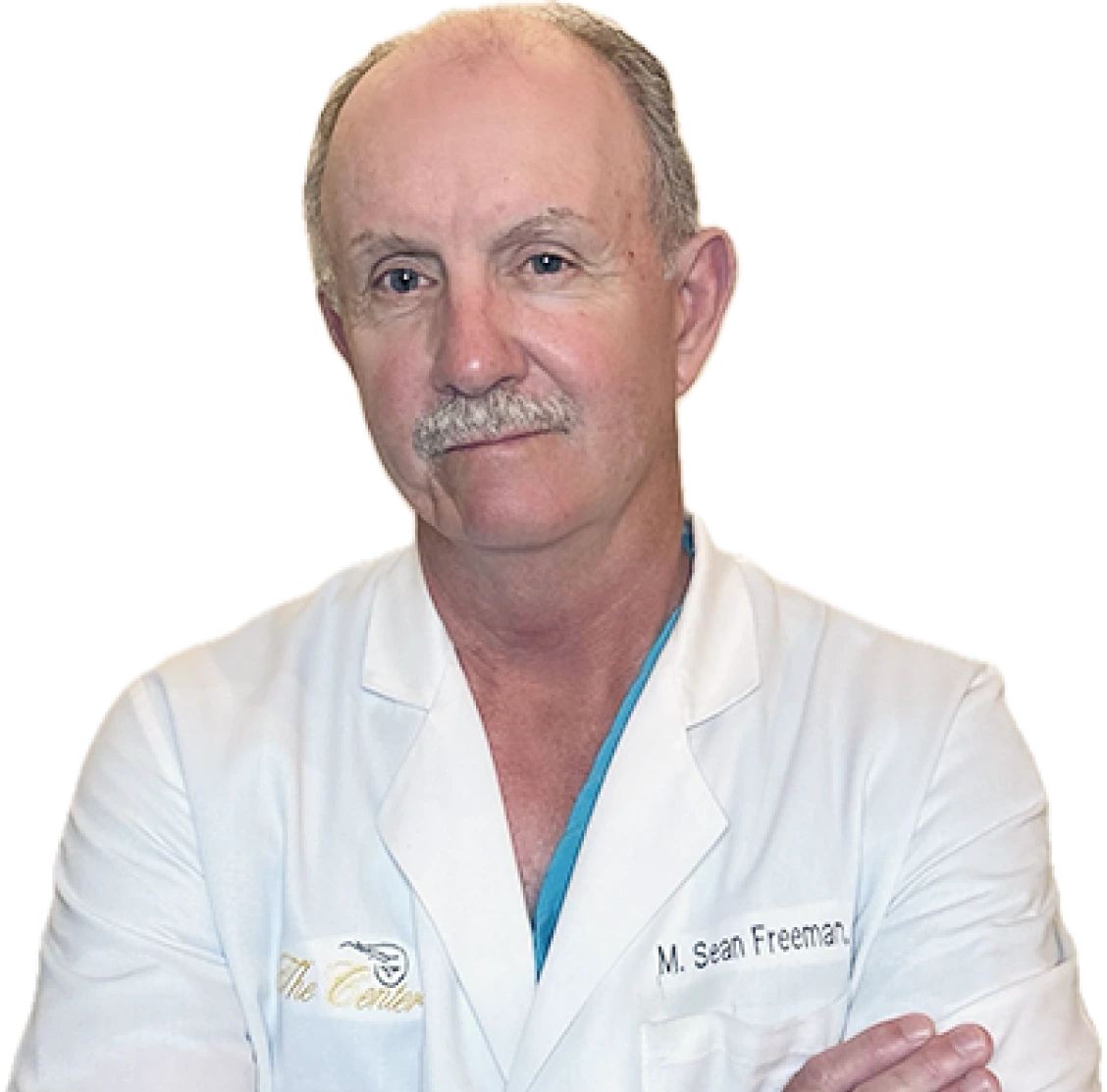
For facial surgery, the gold standard is a double board-certified surgeon dedicated to the face. Dr. Sean Freeman is a double board-certified facial plastic surgeon who has operated exclusively on the face since the early 1980s.
This narrow specialization matters because the nose is one of the most complex structures on the face, both cosmetically and functionally. A general plastic surgeon who performs rhinoplasties alongside breast augmentations and body contouring simply does not accumulate the same depth of nasal experience.
Learn more about Dr. Sean Freeman’s background.
Experience is the single most important factor in revision work. Ask any surgeon what percentage of their rhinoplasties are revisions – a high volume indicates they’re trusted to correct the work of others.
Dr. Sean Freeman has been performing facial plastic surgery for more than 30 years, with more than 20 years of specialized rhinoplasty experience. He is among the most experienced rhinoplasty surgeons in the U.S. and the most experienced in the Southeast, having refined his techniques over thousands of procedures. This volume and focus give him the judgment needed to handle unexpected findings during surgery.
The consultation is your opportunity to interview the surgeon. Walking in prepared helps you make a clear-eyed decision.
Records from your first surgery, including operative notes, which tell the surgeon what was done
Photos of your nose before your original surgery to illustrate the changes you’ve experienced
A written list of your concerns, both cosmetic and functional – note when and how breathing bothers you
Reference photos of nose shapes you find appealing, as a communication tool rather than a template
At Only Faces, consultations are conducted directly with Dr. Sean Freeman, and virtual consultations are available for those who prefer to start remotely.
This is your interview – ask direct, detailed questions:
What percentage of your rhinoplasty practice is dedicated to revision cases, and how many have you performed?
What specifically do you think went wrong with my first surgery?
How would you correct my concerns, and will grafting be needed? Where would the cartilage be harvested from?
What can I realistically expect given my altered anatomy?
Will this surgery also improve my breathing?
What is your aesthetic philosophy, and what do you consider a natural-looking result?
Can you walk me through the recovery process and let me know who I will see at follow-up appointments?
A skilled surgeon answers honestly and sets realistic expectations rather than promising perfection.
After your consultations, take time to reflect before committing. Your comfort and confidence matter as much as a surgeon’s resume.
Think back on how the consultation felt. Did the surgeon listen carefully and examine your nose thoroughly, both inside and out? Did you feel rushed, or did they take time to answer every question?
Dr. Sean Freeman is known for in-depth consultations that center on listening to each patient’s story and goals before recommending a plan. You should feel like you’re forming a partnership built on mutual respect. If you feel dismissed or offered a one-size-fits-all solution, that surgeon isn’t right for you.
No two noses are alike, and this is even more true after a previous surgery. The surgeon should articulate a clear plan tailored to your facial proportions, the condition of your existing tissue, your breathing, and your specific goals.
Whether your case calls for tip refinement, complex structural grafting, or addressing the nostrils through alar rim surgery, the plan should be built around you. This individualized attention is a hallmark of a surgeon who specializes in the face.
Choosing the right surgeon for revision rhinoplasty means focusing on board certification, facial specialization, extensive revision experience, a credible track record, and a personalized approach. Knowing what to look for in a revision rhinoplasty surgeon helps ensure you achieve both functional and aesthetic goals.
About the Author
Dr. Sean Freeman MD, FACS
June 24, 2026
