Thinking about a brow lift usually comes with two worries: how long you’ll have to hide at home, and when you’ll look like yourself again. Here’s the reassuring part. After a segmental endoscopic brow lift, most people feel comfortable going out with a little concealer by about day 10 and are back to desk work within 10 to 14 days. Hard workouts can usually resume at 3 to 4 weeks. Your final, fully settled result appears around the three-month mark. Everyone heals a little differently, but that’s the general road map, and this post walks you through it step by step.
The segmental endoscopic brow lift was invented by Dr. Sean Freeman, and its design is a big reason recovery is often smoother. Instead of one long incision across the scalp, the surgeon makes 3 to 5 small incisions tucked behind the hairline. A tiny camera called an endoscope shows what’s happening underneath.
Smaller incisions mean less disturbance to the tissue, which usually means less swelling and a quicker return to normal life. The lift can also be adjusted in specific areas, such as the outer or inner brow, so the result looks natural rather than startled.
These first two days are what most people wonder about, so let’s be straightforward. You’ll go home the same day, and you’ll want a friend or family member to drive you and stay with you that first night. Here’s what’s typical:
Mild swelling and bruising, especially around the eyes
Tightness or mild discomfort, which prescribed medication usually manages well
Wearing a light compression dressing to help keep swelling down
Keeping your head elevated (even while you sleep) and using cold compresses as directed
Most people describe this stage as pressure and tightness more than sharp pain. Plan to rest, drink plenty of fluids, and let someone else handle dinner.
Swelling usually peaks around day 3. This is when many patients get nervous, because they look puffier than they did the day after surgery. Take a breath. It’s a normal part of healing, and it starts to fade from here.
Bruising may also drift downward toward your eyelids and cheeks. It can look dramatic, but it’s harmless and clears with time. Stitches or staples are typically removed between days 7 and 10. Until then, keep your head up, take short walks around the house, and skip bending and lifting.
This is where things improve quickly. Around day 10, many patients feel comfortable going out in public with a little concealer. Most return to desk work or other light-duty jobs within 10 to 14 days. Within one to two weeks, the visible signs of surgery have mostly faded.
You may still feel some tightness across the forehead, or notice that your brows sit a bit higher than you expected. Both usually ease as the tissues relax and settle.
By now you’re feeling more like yourself. Light activity is fine. Strenuous exercise, heavy lifting, and anything that sharply raises your blood pressure should wait until about 3 to 4 weeks after surgery. Your surgeon will tell you when you’re cleared at your follow-up visit.
Healing continues quietly for several months. Around the three-month mark, swelling is fully gone, and your brows have settled into their final position. That’s when you can really judge your result.
The improved brow position typically lasts 10 to 15 years, though results vary from person to person. Curious what a natural outcome can look like? Browse the before-and-after gallery. If you’d like to keep forehead lines softer over the years, neuromodulators can pair nicely with your surgical result.
Some sensations catch people off guard. These are common during healing:
Numbness or itching near the incisions as nerves recover
A tight or “heavy” feeling in the forehead
Mild headaches in the first few days
One side swelling a bit more than the other for a short time
Mention anything that worries you to your surgeon’s team. They would much rather hear from you than have you stress at home.
You have more control over your recovery than you might think. A few habits make a real difference:
Follow your medication instructions. Your surgeon will tell you which pain relievers and supplements to use or avoid.
Skip nicotine. Non-smokers heal faster and have fewer complications.
Be gentle with your incisions. Wash and care for your hair and scalp exactly as instructed.
Sleep propped up. An extra pillow or two helps swelling drain.
Stay hydrated and eat well. Your body needs fuel to heal.
Setting up your recovery space before surgery makes all of this easier. The preparing for surgery page is a helpful place to start.
Call right away if you notice swelling that is severe or keeps growing on one side, a fever, pain that medication doesn’t relieve, spreading redness or drainage from an incision, or any change in your vision. These are uncommon, but quick attention matters.
Many patients pair a brow lift with upper blepharoplasty to refresh the eyes, or with a facelift for broader rejuvenation. The upside is one recovery period instead of two. Just know that swelling may last a bit longer when more areas are treated, so build a little extra buffer into your schedule.
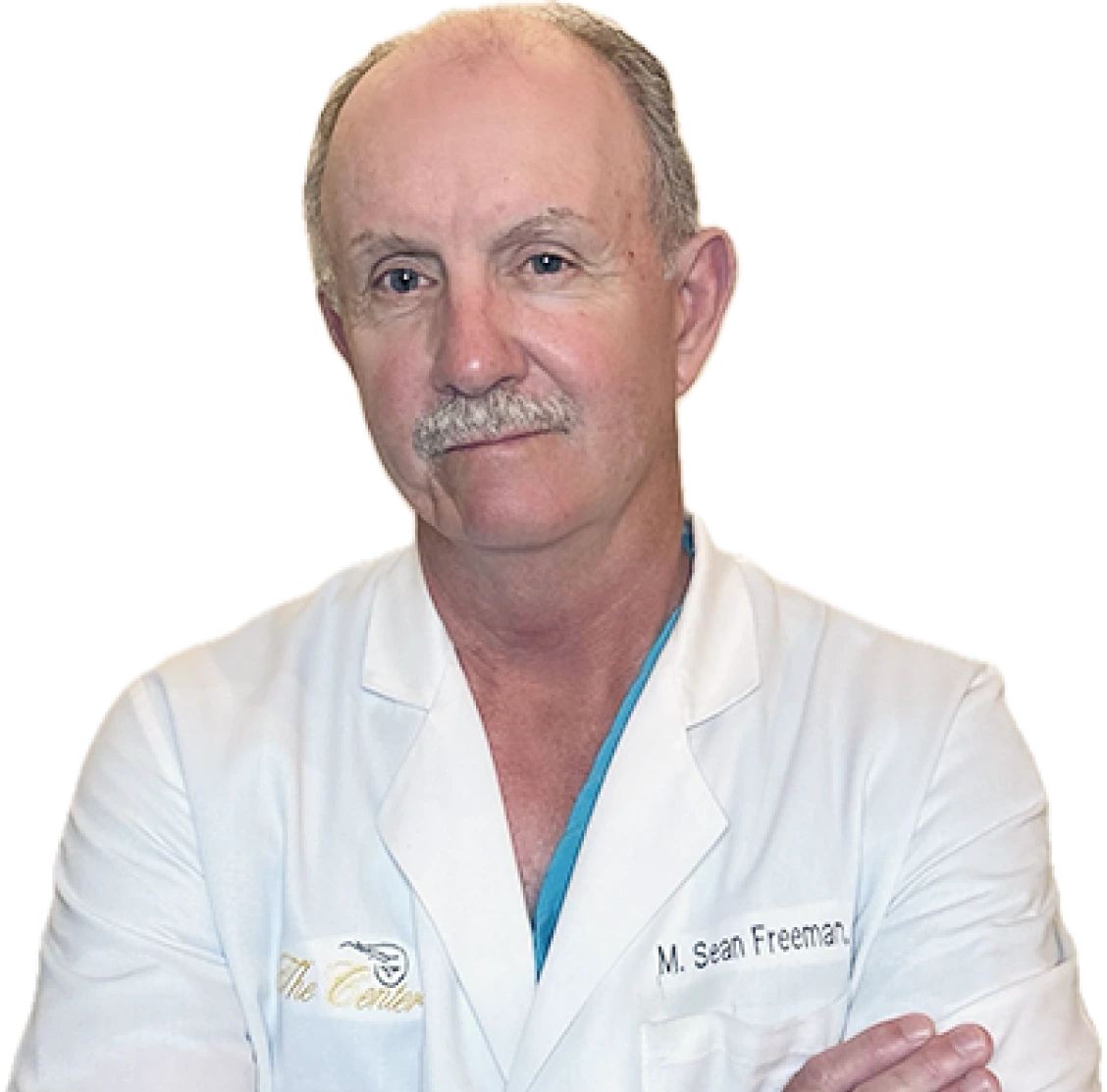
A smooth recovery starts long before surgery. It starts with choosing a surgeon who has lived and breathed facial surgery for decades. Dr. Sean Freeman is a double-board-certified facial plastic surgeon who invented this technique and trains other surgeons to use it. During your consultation, he’ll assess your brow shape, explain what your recovery would look like, and help you plan your time off with confidence.
If you’re in the Charlotte, NC area and ready to talk, call Only Faces at (704) 543-1110 to schedule a consultation.
About the Author
Dr. Sean Freeman MD, FACS
September 21, 2026
