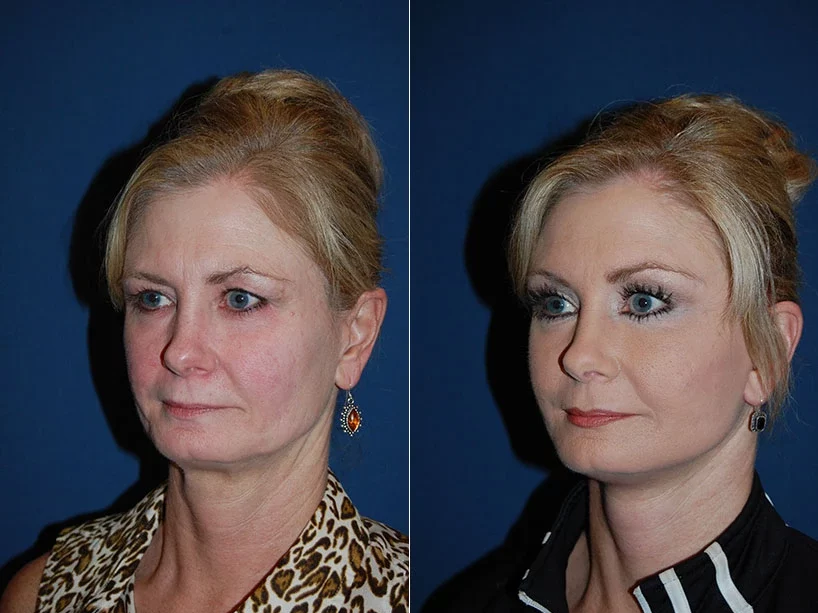
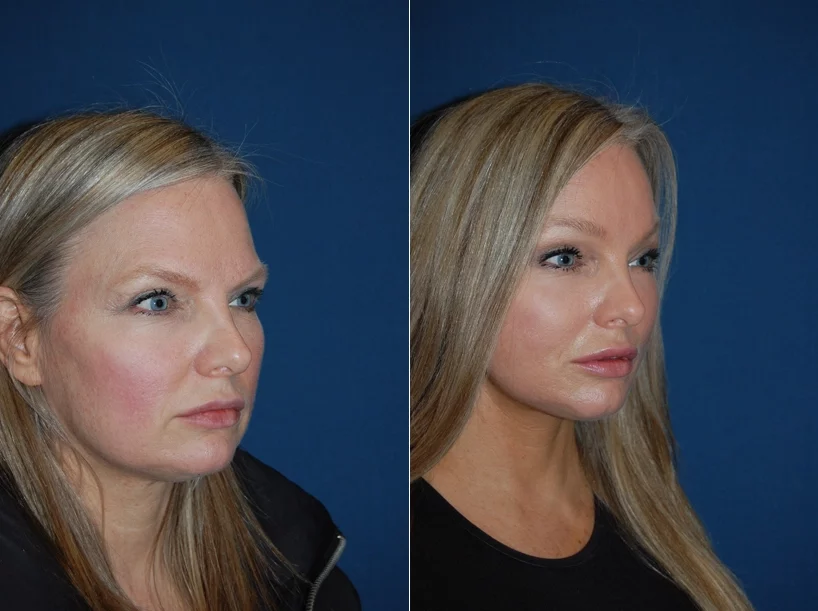
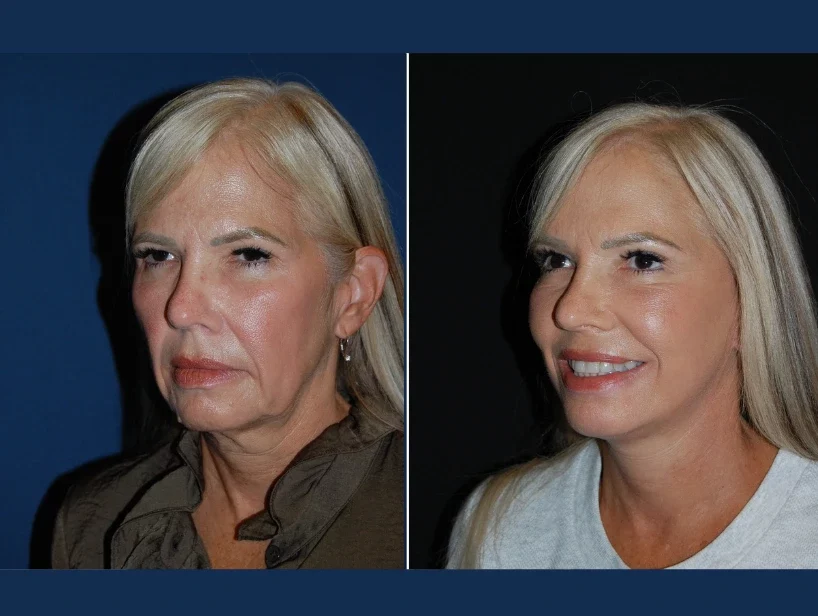
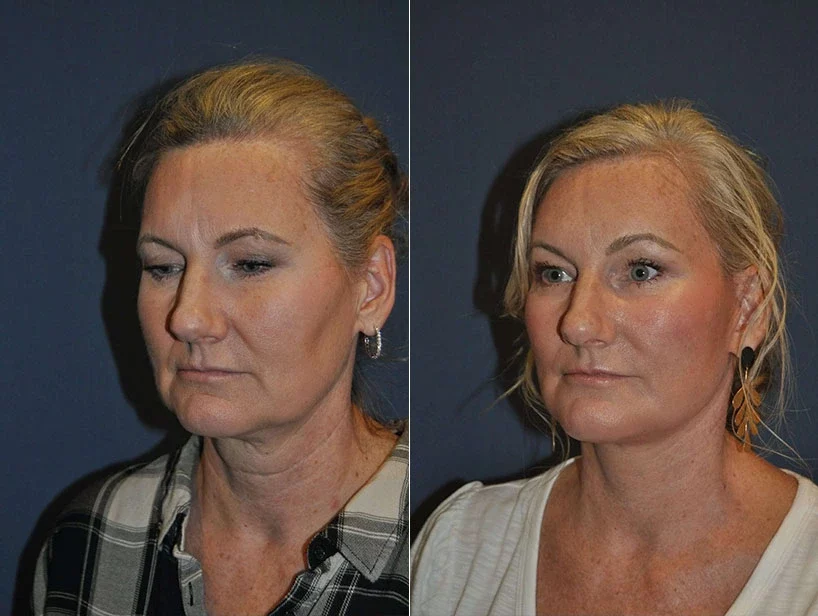
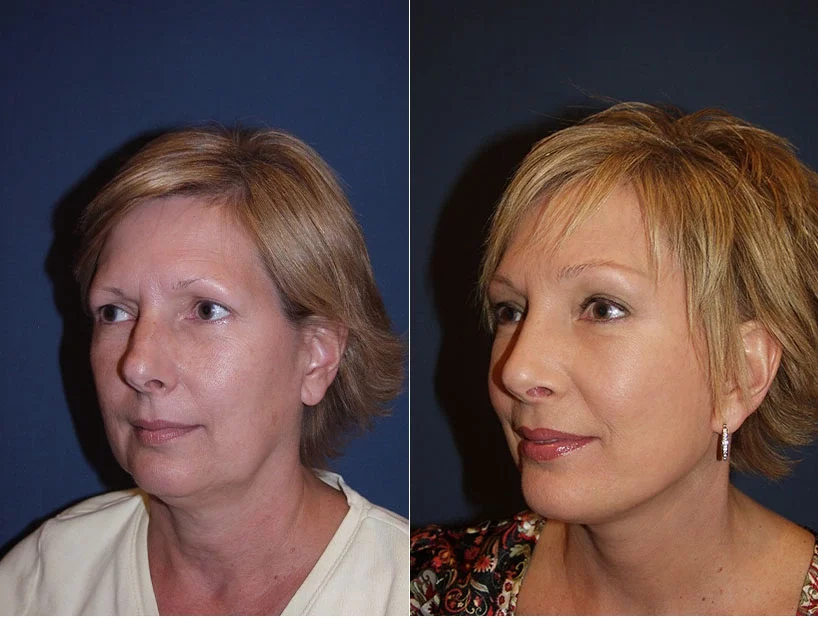
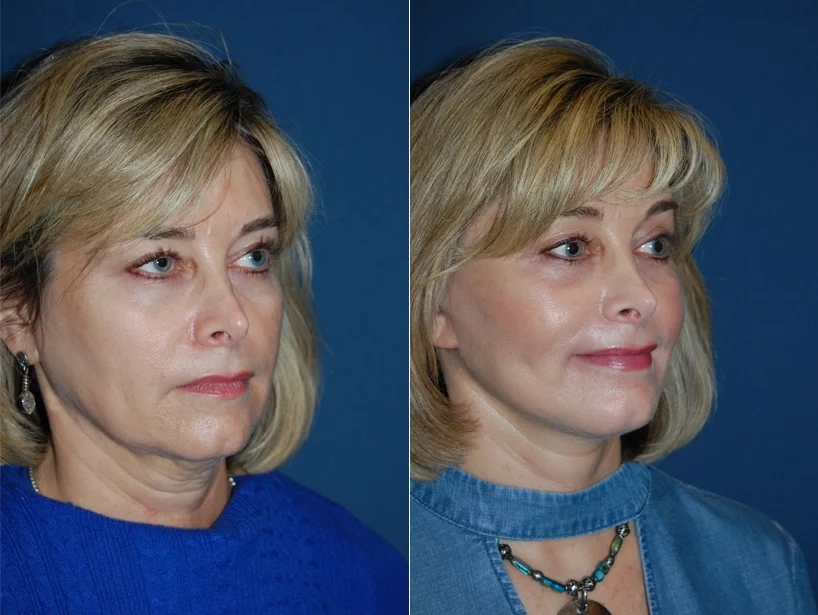
Facelift surgery can rejuvenate your appearance and boost confidence, but the healing journey often comes with temporary side effects, such as swelling, bruising, and small lumps under the skin. While these irregularities are usually part of normal recovery, they can be concerning if they persist longer than expected. Understanding why they occur, how to manage them properly, and when to seek professional advice can make a significant difference in your facelift recovery experience.
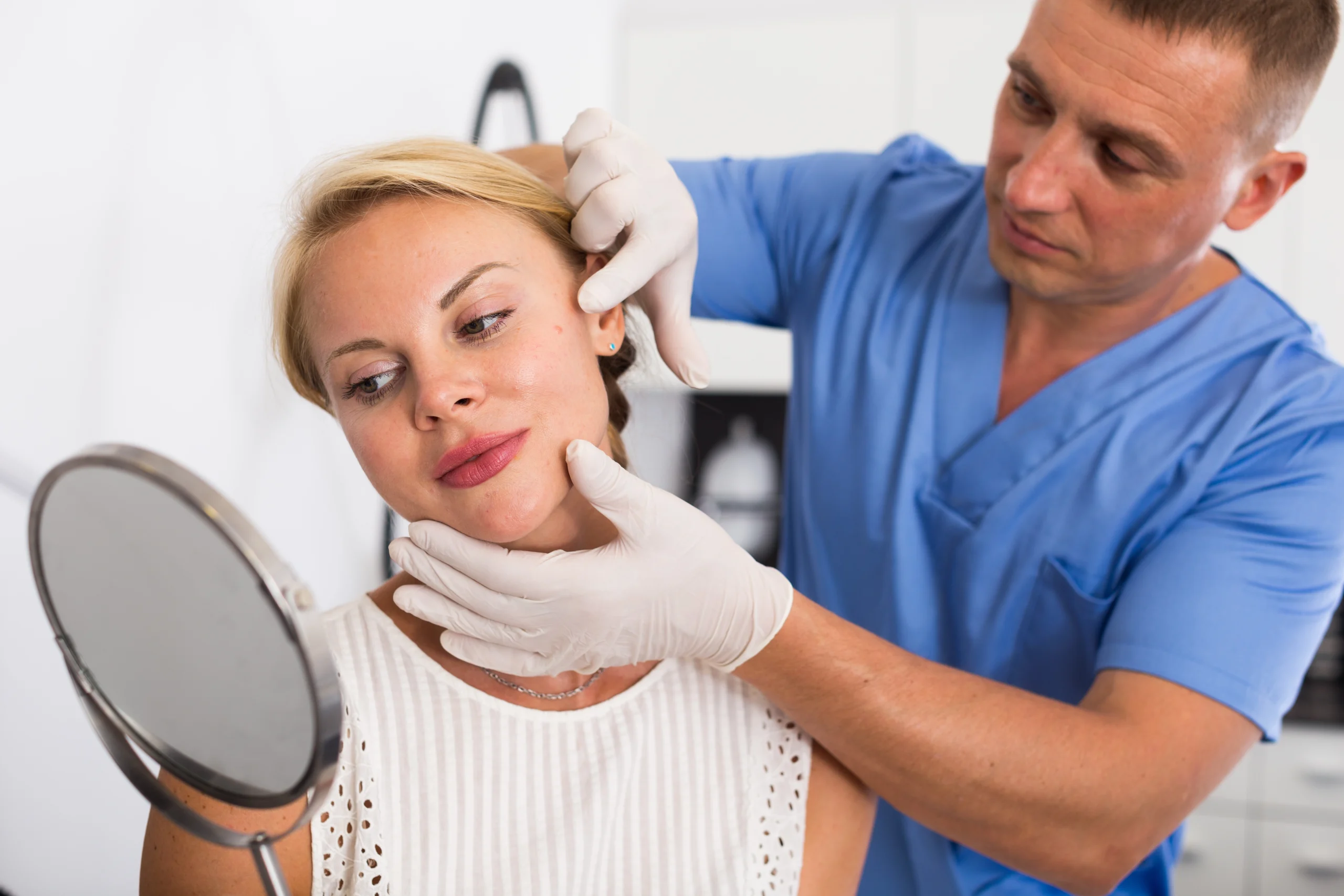
Home » How to Get Rid of Lumps After Facelift?
The healing process after a facelift involves a series of gradual changes as the skin, muscles, and underlying tissues settle into their new positions. During this period, swelling and small areas of firmness may develop as your body reacts to the surgical manipulation and healing begins. These lumps and bumps often represent trapped fluid, inflammation, or temporary scar tissue formation.
It’s important to remember that the body’s natural healing process varies from person to person. Some people notice that swelling and firmness resolve in just a few weeks, while others take several months for everything to smooth out. Gentle care, patience, and following your surgeon’s post-operative instructions are essential for achieving the best long-term results.
After facelift surgery, the body works to repair and regenerate tissue, which can lead to temporary unevenness. The most common causes of lumps and bumps include:
Swelling and fluid buildup: During the initial stages of recovery, the body’s inflammatory response can lead to localized fluid retention under the skin.
Scar tissue: As incisions heal, the body forms internal scar tissue to support the repaired area, which can sometimes result in a firm or rope-like texture.
Fat irregularities: Manipulating fat layers during facelift surgery can occasionally result in unevenness that may take time to resolve.
Hematomas or seromas: In some cases, small pockets of blood or fluid may develop, resulting in swelling or firmness that requires professional attention.
Fortunately, most of these issues are temporary and improve as your healing progresses. Still, there are several effective ways to support the recovery process and reduce visible irregularities.
Healthy blood circulation is vital after any cosmetic surgery. It helps transport oxygen and nutrients to healing tissues while removing excess fluid and waste products. Good circulation minimizes swelling, reduces the risk of prolonged inflammation, and helps the skin regain a smoother appearance.
To promote circulation after facelift surgery, gentle movement and light walking can help stimulate blood flow without placing strain on your incisions. Avoid smoking or nicotine products, as they constrict blood vessels and can significantly slow recovery. Hydration is equally important, as adequate fluid intake supports overall tissue repair.
Keeping your head elevated during the first several weeks of facelift recovery is one of the simplest and most effective ways to reduce swelling and prevent fluid buildup. Sleeping with your head elevated on two or three pillows, or using a wedge pillow, allows gravity to assist in draining excess fluids away from the treated areas.
You should avoid sleeping flat or on your side, as this can put pressure on healing tissues and cause uneven swelling. Maintaining an elevated position also improves comfort and helps minimize morning puffiness.
Compression garments are specially designed to provide gentle, consistent pressure to the treated area after facelift surgery. Wearing them as directed can significantly improve circulation, limit swelling, and reduce the likelihood of developing noticeable lumps and bumps.
These garments also help the skin adhere smoothly to its new contours, preventing fluid accumulation under the surface. It’s important to ensure the garment fits comfortably – too tight can restrict circulation, while too loose won’t provide enough support. Your surgeon will recommend how long to wear it each day and when it can be gradually phased out as recovery progresses.
During the early days of recovery, cold therapy is one of the most effective ways to minimize swelling and discomfort. When you apply cold compresses, the blood vessels constrict, which helps limit inflammation and fluid buildup under the skin.
Cold compresses should be applied gently for short intervals – about 10 to 15 minutes at a time – to avoid overcooling or irritating sensitive tissues. Ensure a soft cloth barrier is placed between the cold pack and your skin to prevent frostbite. This technique is most useful during the first 48 to 72 hours after surgery. After that, your surgeon may recommend switching to warm compresses to encourage lymphatic drainage and soften any firm areas.
The lymphatic system plays a crucial role in clearing excess fluids, waste, and toxins from the body. After facelift surgery, your lymph nodes may become slightly sluggish or overwhelmed as they work to manage the increased drainage from the treated area. This can contribute to temporary swelling or the feeling of small lumps beneath the skin.
Gentle lymphatic massage, performed by a trained therapist, can help stimulate the flow of lymph fluid and accelerate recovery. Always consult your surgeon before starting any massage therapy, as the timing and technique must align with your individual healing stage.
While most irregularities resolve naturally within a few weeks or months, some may persist for longer periods. If you still notice lumps and bumps several months into your facelift recovery, it’s essential to have your surgeon evaluate the area.
Sometimes, minor injections such as corticosteroids or hyaluronidase can help soften scar tissue or dissolve small fluid pockets. In rare cases, a minor in-office procedure may be recommended to correct stubborn irregularities. The key is to communicate openly with your provider rather than attempting to treat the issue on your own.
Avoid massaging the area too soon or applying heat without approval, as this can exacerbate swelling or interfere with the healing process. Instead, rely on gentle care, consistent follow-up appointments, and patience as your tissues settle into their final shape.
The success of your facelift depends not only on the skill of your surgeon but also on how well you care for yourself during recovery. Consistent, healthy habits can enhance circulation, reduce inflammation, and support the healing process long after the initial swelling subsides.
Eat a nutrient-rich diet with plenty of fruits, vegetables, and lean protein to promote tissue repair. Stay hydrated and avoid excessive salt, which can increase fluid retention. Gentle facial exercises may be recommended later in recovery to improve muscle tone, though these should only begin with your surgeon’s approval.
Good skin care also plays a significant role. Using surgeon-approved moisturizers and sunscreen helps protect your healing skin and maintain the smooth, youthful results of your cosmetic surgery.
Although minor lumps and bumps are common and expected, certain symptoms warrant prompt medical attention. You should contact your surgeon if you notice:
Increasing redness, warmth, or pain around the incision site
Rapid swelling on one side of the face
Persistent drainage or fluid collection
Fever or chills
Hard lumps that don’t soften over time
These may indicate infection or a hematoma that requires medical treatment. Prompt evaluation ensures that any complications are addressed quickly to protect your results.
Recovering from facelift surgery takes time, and temporary irregularities are a normal part of that process. By following your surgeon’s instructions, maintaining healthy blood circulation, keeping your head elevated, wearing your compression garments as directed, and using cold compresses correctly, you can significantly reduce swelling and help your face heal evenly.
Most importantly, give your body the time it needs to adjust and settle. Each week will bring subtle improvements, and by several months after surgery, the majority of lumps and bumps should fade as the tissues fully recover. With patience, proper care, and open communication with your surgical team, you can enjoy a smoother, more natural-looking outcome that enhances your confidence and rejuvenates your appearance.
Dr. Sean Freeman
Nov 30, 2025
So, how to get rid of lumps after facelift? The answer lies in consistent care, patience, and following your surgeon’s guidance throughout recovery. After any surgical procedure, temporary irregularities are part of normal healing, and most patients notice steady improvement as residual swelling subsides. It’s essential to follow all post-operative care instructions closely, as these are designed to promote healing and ensure the best possible outcome.
Gentle techniques, such as manual lymphatic drainage, can help reduce persistent swelling and smooth out areas of uneven skin texture. Staying hydrated and maintaining a balanced diet will further support your body’s recovery. If discomfort arises, use your prescribed pain medication as directed and always report unusual symptoms, such as significant swelling or discomfort around the surgical site, to your surgeon.
Whether you’ve had traditional or mini facelift procedures, consistent care is key. Continue to wear compression garments as recommended, avoid excessive pressure on the face, and allow enough time for tissues to adjust. With attentive aftercare and guidance from your plastic surgery team, you can achieve optimal healing and enjoy smooth, natural-looking results that enhance your confidence and restore a youthful appearance.
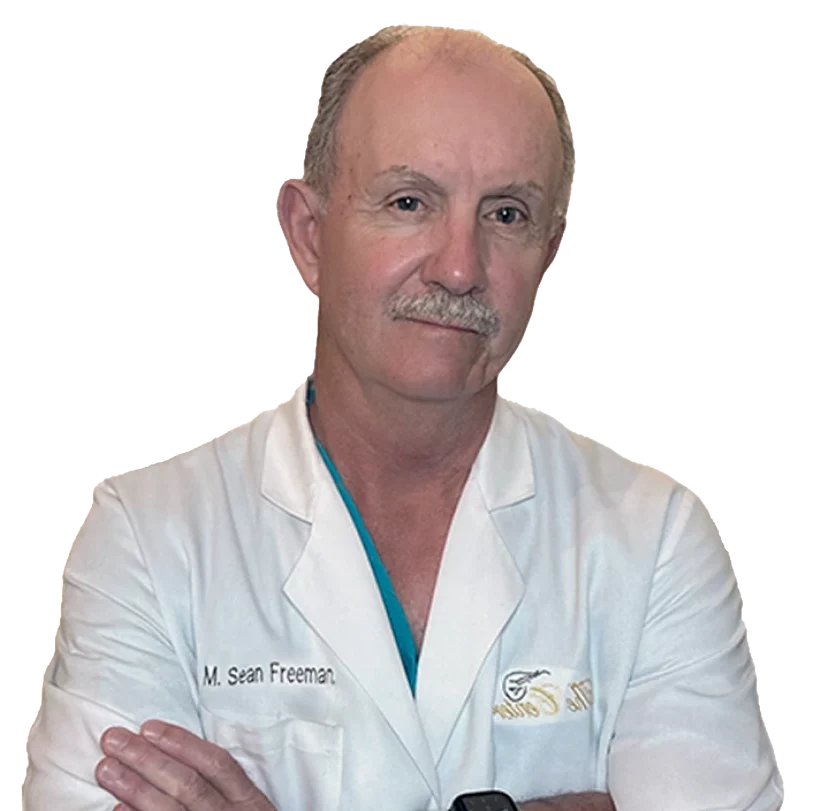
The deep plane facelift is a more advanced technique but also more demanding. It works beneath the surface to lift and reposition the deeper facial layers, delivering longer-lasting, more natural results.
Dr. Sean Freeman has been performing deep plane facelifts for over 20 years, long before it became the media’s favorite buzzword. His depth of experience means each procedure is done with precision, safety, and aesthetic sensitivity refining natural features, not distorting them.
In facial plastic surgery, the technique matters but the surgeon matters more.