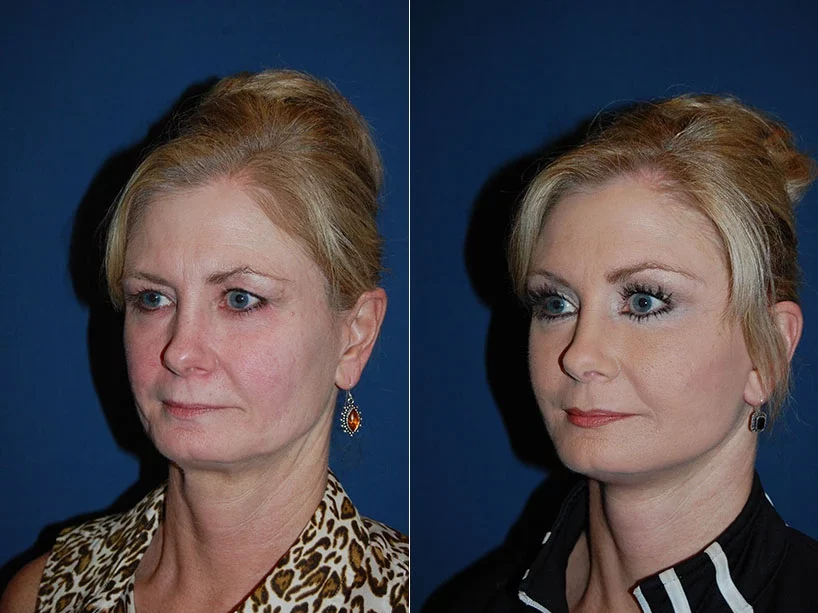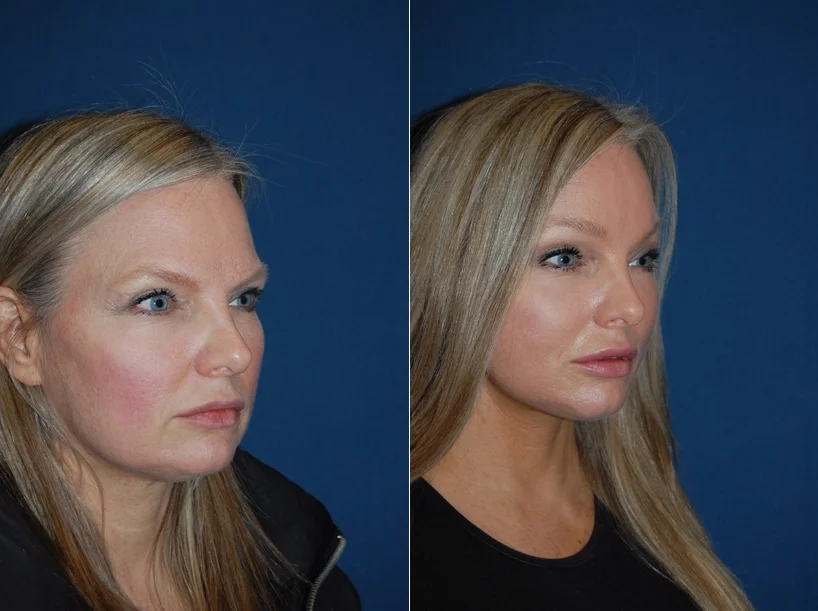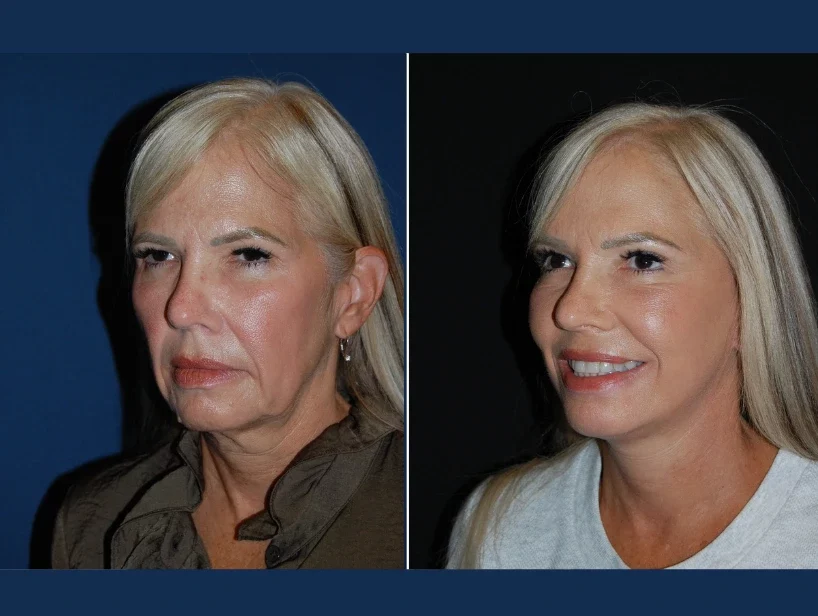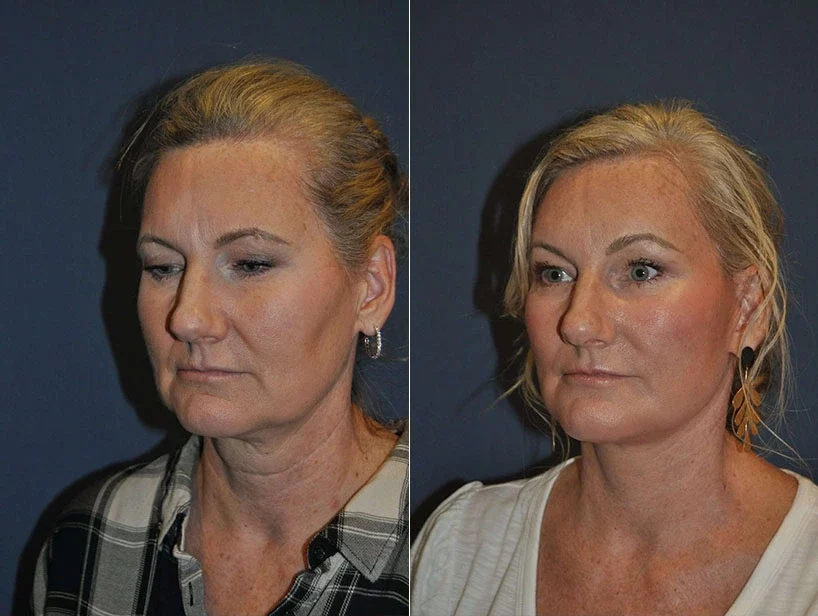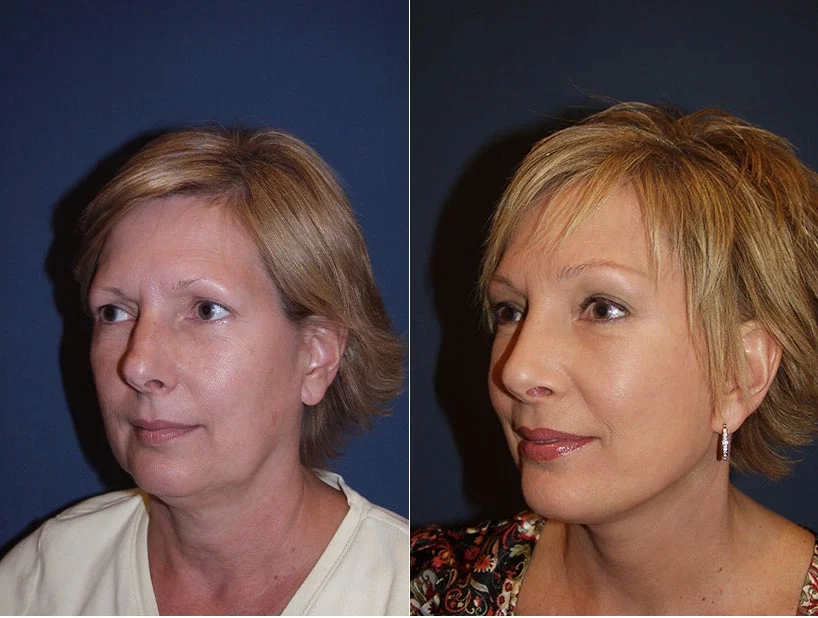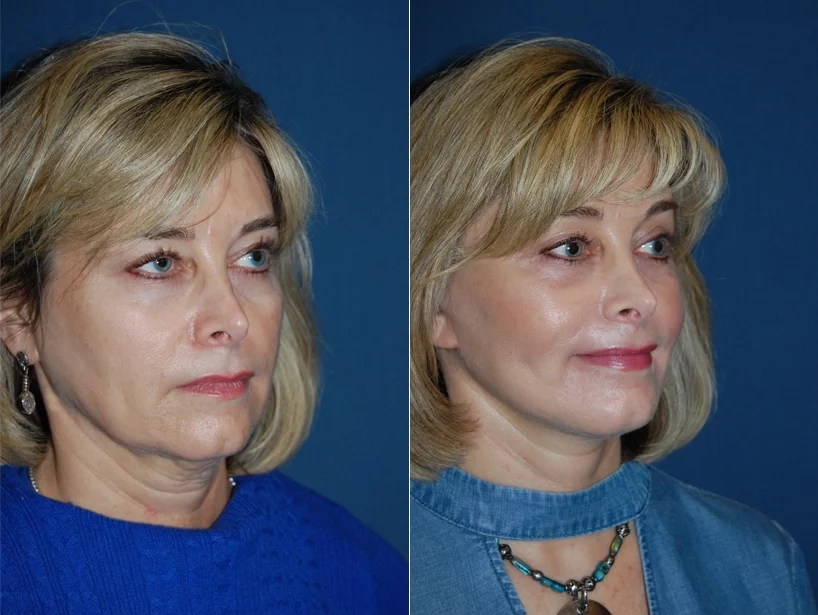
Facelift surgery is one of the most sought-after cosmetic procedures for individuals looking to restore a youthful appearance. Aging naturally causes the skin to lose elasticity, and facial muscles may begin to sag, resulting in wrinkles, jowls, and a tired appearance. While non-surgical treatments, such as Botox and fillers, can provide temporary improvements, a facelift offers longer-lasting results for 3-15 years.
In this article, we will explore the longevity of different types of facelift surgery, discuss the best age for getting a facelift, and explain what facelift patients can expect in terms of results and follow-up care.
Home » How Long Does a Facelift Last?
Facelift surgery is not a one-size-fits-all procedure. The longevity of different types of facelift surgery varies depending on the extent of correction performed and the technique used. Generally, facelifts are categorized into mini facelifts, full facelifts, and deep plane facelifts. Each type offers different benefits, recovery times, and durability.
A mini facelift is a less invasive facelift procedure that focuses on the lower face and jawline. It is ideal for patients with mild sagging and early signs of aging. Because it involves smaller incisions and less tissue manipulation, a mini facelift usually requires a shorter recovery time, typically around one to two weeks.
In terms of longevity, facelift patients can expect results from a mini facelift to last approximately 3 to 5 years. While the mini facelift can provide noticeable improvements, it may not address deeper wrinkles or significant jowling. Many patients opt for a mini facelift earlier in their aging process as a preventive measure to maintain a youthful look over time.
A full facelift is a more comprehensive procedure that addresses the midface, lower face, jawline, and sometimes the neck. This type of facelift is suitable for patients with moderate to advanced signs of aging. Full facelift procedures involve repositioning deeper facial tissues, removing excess skin, and tightening the underlying muscles.
Full facelift results are more durable than those from a mini facelift. On average, patients can expect results to last 7 to 10 years. However, factors such as sun exposure, smoking, and genetics can influence how long the results remain noticeable. A full facelift can produce dramatic improvements, making it a popular choice among individuals looking for long-term facial rejuvenation.
A deep plane facelift is considered the most advanced type of facelift surgery. This technique involves lifting not only the skin but also the deeper layers of facial tissue, including the muscles and fat pads. This allows for a more natural and long-lasting result, particularly for patients with significant sagging or deep wrinkles.
Patients undergoing a deep plane facelift may enjoy results that last 10 to 15 years. Because this procedure addresses both the superficial and deeper structures of the face, it provides more significant correction and maintains facial contours more effectively over time. While recovery may be longer compared to mini or full facelifts, the long-term benefits make it an attractive option for those seeking the most lasting rejuvenation.
Determining the best age for getting a facelift depends on individual aging patterns, lifestyle, and aesthetic goals. While there is no strict age requirement, most patients considering facelift procedures are in their 40s to 60s.
Facelift patients in their 40s often seek cosmetic procedures to address early signs of aging, such as mild sagging and nasolabial folds. At this stage, a mini facelift can be an effective option for maintaining a youthful appearance without undergoing extensive surgery.
Patients in their 50s and 60s often exhibit more pronounced facial aging, characterized by jowls, deep wrinkles, and loss of volume. Full facelift or deep plane facelift procedures are usually recommended for these patients to achieve more comprehensive results.
It is important to note that age alone is not the determining factor. Skin quality, bone structure, and overall health play critical roles in facelift outcomes. A cosmetic surgery consultation with a board-certified surgeon, such as Dr. Freeman, can help patients determine the ideal time for a facelift and select the procedure that best suits their needs.
Facelift results are highly individual and can be influenced by the type of procedure, surgical technique, and the patient’s lifestyle habits. Immediately after surgery, swelling and bruising are common. However, these symptoms typically subside within a few weeks. Most patients notice a smoother jawline, lifted cheeks, and a rejuvenated overall appearance.
Results from a facelift are long-lasting compared to non-surgical cosmetic procedures. Mini facelift results typically last three to five years, full facelift results last seven to ten years, and deep plane facelift results can last up to fifteen years. Even though aging continues after surgery, the face retains a more youthful structure, and subtle non-surgical touch-ups can help maintain results over time.
It is also important to understand that facelift results do not stop the natural aging process. Facelift patients who maintain healthy lifestyle habits, including a balanced diet, regular exercise, sun protection, and avoiding smoking, are more likely to enjoy prolonged results.
Facelift procedures are tailored to each patient based on their facial anatomy and desired outcomes. During a consultation, the surgeon evaluates the skin, underlying muscles, and fat distribution to determine the most appropriate technique.
Mini facelift procedures involve smaller incisions near the hairline and around the ears. The surgeon lifts and tightens the lower face, resulting in subtle but noticeable improvement. Full facelift procedures involve longer incisions and may extend into the temporal region or neck. These procedures correct moderate to advanced sagging and provide more dramatic results. Deep plane facelift procedures focus on lifting the deeper layers of tissue for a natural, long-lasting outcome.
Facelift patients are advised to discuss their goals, concerns, and lifestyle factors with their surgeon. Choosing the correct facelift procedure can optimize results, minimize recovery time, and extend the longevity of the rejuvenation.
Follow-up appointments are a critical part of the facelift process. After any cosmetic surgery, including a facelift, regular check-ups allow the surgeon to monitor healing, address complications, and ensure optimal results.
Initially, follow-up appointments are scheduled within the first week after surgery to assess swelling, bruising, and incision healing. Subsequent appointments occur at two weeks, one month, three months, and six months after the procedure. These visits are essential for tracking recovery progress and providing guidance on scar care, skin care, and activity restrictions.
Patients who attend all follow-up appointments after a facelift are more likely to achieve long-lasting results and experience fewer complications. Surgeons also use these appointments to discuss maintenance strategies, including minor touch-ups or non-surgical cosmetic procedures that can prolong the youthful appearance of the face.
While a facelift provides long-lasting results, cosmetic procedures can help extend the effects and maintain a youthful appearance. Non-surgical treatments, such as Botox, dermal fillers, and laser resurfacing, can complement facelift results by addressing fine lines, volume loss, and skin texture issues.
Regular skincare routines and lifestyle habits also play a significant role. Sun protection, hydration, and healthy nutrition help preserve the results of cosmetic surgery. Many facelift patients incorporate these measures into their daily routines to maximize the benefits of surgery and maintain facial rejuvenation for years to come.
The longevity of facelift results is not only determined by the procedure itself, but also by the surgeon’s skills. Board-certified plastic surgeons specializing in facial procedures can tailor facelift techniques to each patient, minimize risks, and achieve natural-looking outcomes.
Facelift patients should research the surgeon’s credentials, view before-and-after photos, and discuss expectations during the consultation. A skilled surgeon can provide personalized recommendations for mini facelift, full facelift, or deep plane facelift procedures based on the patient’s unique facial anatomy and aesthetic goals.
Dr. Sean Freeman
Dec 01, 2025
So, how long does a facelift last? While the longevity of a facelift depends on factors such as the type of procedure, lifestyle, and skin quality, it is clear that proper care can help maintain the results of your facelift for many years.
Facelift surgery is designed to reduce sagging skin, address loose skin, and restore a firmer, more youthful facial structure. Many patients combine facelifts with complementary procedures such as eyelid surgery, neck lift, or non-surgical treatments like laser treatments to enhance overall results and maintain a more youthful appearance.
Protecting your facial skin from excessive sun exposure, following post-operative care instructions, and using pain medication as recommended during recovery can all contribute to longer-lasting results of a facelift. With the right combination of surgical expertise and ongoing skin care, facelift patients can enjoy rejuvenated facial features, improved contours, and a refreshed, youthful appearance that stands the test of time.