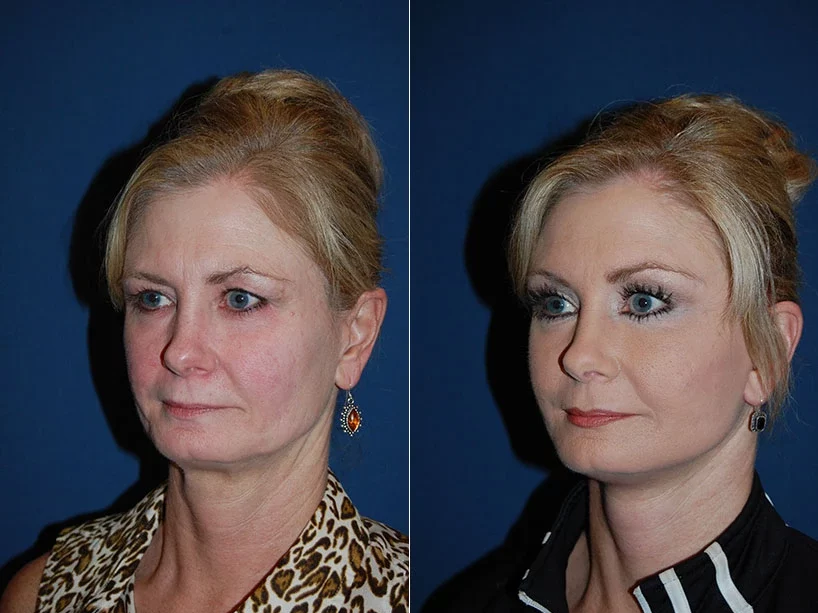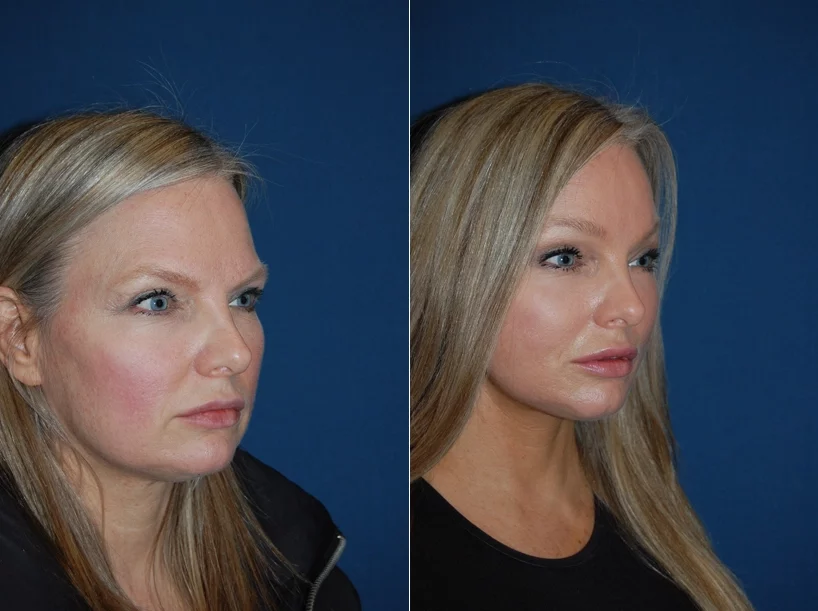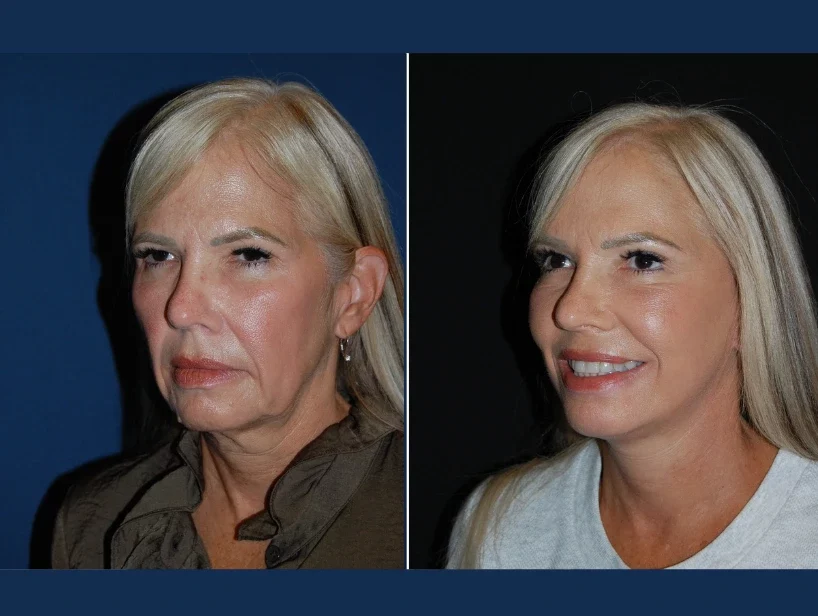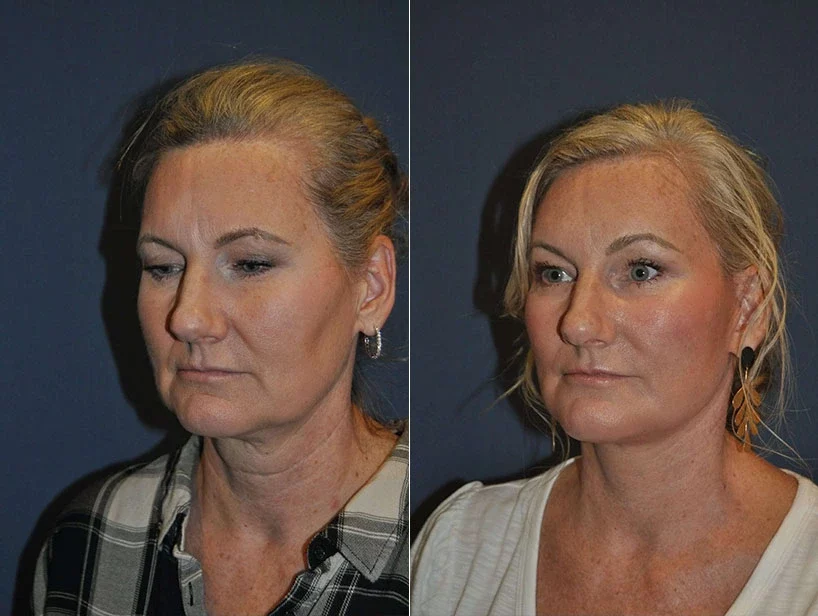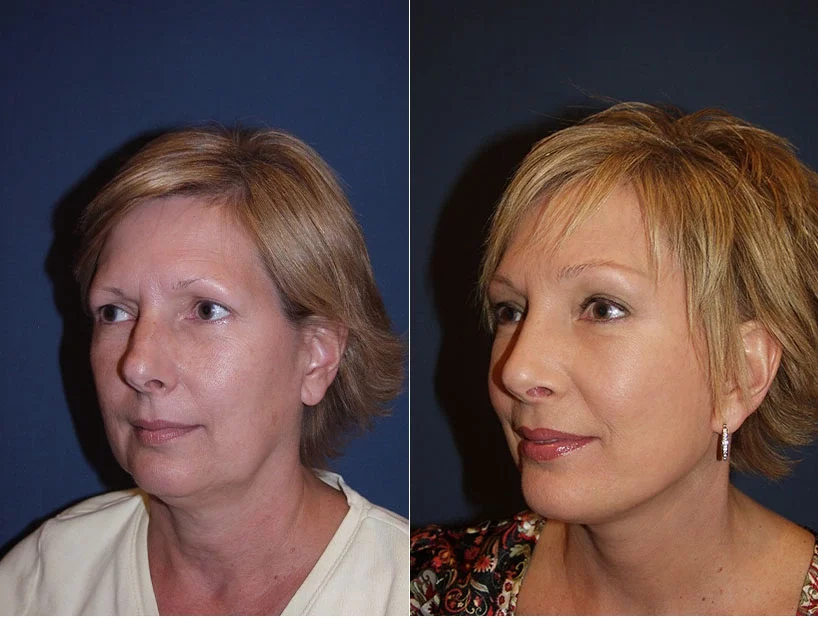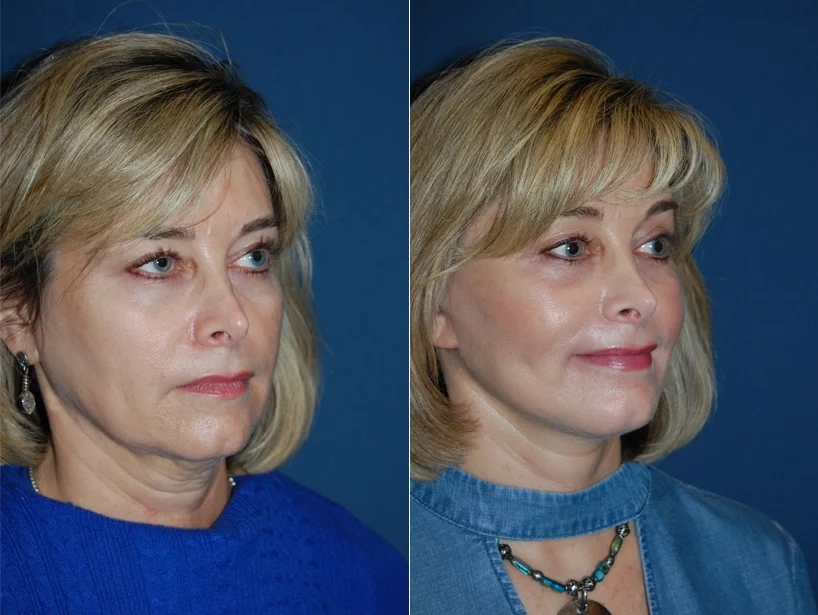
Investing in a facelift represents a significant commitment to your appearance and confidence, and naturally, you want those results to last as long as possible. While aging is inevitable, the longevity of your facelift depends largely on how well you care for your skin and overall health after the procedure. By following proper maintenance practices, including establishing a consistent skincare routine, protecting your skin from sun damage, maintaining a healthy lifestyle, and attending regular follow-up appointments, you can extend your facelift results by several years and maximize the value of your investment.
Home » Facelift Maintenance Tips: How To Extend Your Results?
Before diving into maintenance strategies, it’s helpful to understand what your facelift procedure actually accomplishes. During facelift surgery, your surgeon repositions underlying tissues, tightens muscles, removes excess skin, and redrapes the remaining skin to create a more youthful contour. This comprehensive approach addresses sagging skin, deep creases, and loss of definition in the lower face and neck.
The facelift benefits extend beyond simple wrinkle reduction. Patients often experience improved facial contours, a more defined jawline, reduced jowling, and a smoother neck appearance. However, it’s important to remember that while a facelift turns back the clock, it doesn’t stop time entirely. Your skin will continue to age naturally, which is why proper maintenance becomes essential for preserving your results.
The foundation for long-lasting results begins during your facelift recovery period. Following your surgeon’s post-operative instructions meticulously sets the stage for optimal healing and better long-term outcomes. During the first few weeks, avoid strenuous activities, keep your head elevated while sleeping, and attend all scheduled follow-up appointments.
Proper healing during recovery minimizes complications that could compromise your results. Swelling and bruising are normal, but managing them correctly ensures that tissues settle into their new position properly. Most patients can return to normal activities within 2-3 weeks, though complete healing may take several months. Patience during this phase pays dividends in the form of superior, longer-lasting results.
Perhaps the most critical factor in extending facelift results is maintaining a consistent skincare routine. Your skin has been surgically rejuvenated, and now it’s your responsibility to protect and nourish it daily. A comprehensive routine should include cleansing, moisturizing, and sun protection as non-negotiable steps.
Begin your routine with gentle cleansing twice daily. Use a mild, non-abrasive cleanser that removes dirt, oil, and makeup without stripping your skin’s natural moisture barrier. Harsh soaps and aggressive scrubbing can damage delicate facial skin and accelerate aging. Pat your face dry with a soft towel rather than rubbing, which can cause irritation and contribute to premature wrinkles.
Consider investing in medical-grade skincare products recommended by your surgeon. Ingredients like retinoids, vitamin C, hyaluronic acid, and peptides can significantly enhance skin quality and slow the aging process. Retinoids, in particular, promote cell turnover and collagen production, helping maintain the firmness and smoothness achieved through surgery. However, introduce new products gradually and always follow your surgeon’s guidance, especially in the months immediately following your procedure.
Perhaps no single factor affects facelift longevity more than sun protection. UV radiation breaks down collagen and elastin, the very proteins that keep your skin firm and youthful. Apply a broad-spectrum SPF 30 or higher sunscreen every morning, regardless of weather conditions. Reapply throughout the day if you’re spending extended time outdoors. Wearing wide-brimmed hats and seeking shade during peak sun hours provides additional protection.
Your lifestyle choices profoundly impact how long your facelift results last. What you put into your body and how you treat it shows up on your face.
Nutrition plays a vital role in skin health and the longevity of facelifts. A healthy diet rich in antioxidants, vitamins, and minerals supports collagen production and fights free radical damage. Focus on consuming plenty of fruits and vegetables, particularly those high in vitamin C, which protect skin cells from oxidative stress. Omega-3 fatty acids found in fish, nuts, and seeds help maintain skin elasticity and hydration.
Stay well-hydrated by drinking adequate water throughout the day. Proper hydration keeps skin plump and supple, enhancing your overall appearance. Limit processed foods, excessive sugar, and salt, which can promote inflammation and fluid retention, potentially diminishing your refined facial contours.
If you smoke, quitting represents the single most important thing you can do to preserve your facelift results. Smoking constricts blood vessels, reducing the delivery of oxygen and nutrients to skin cells. This accelerates collagen breakdown, causes premature wrinkles, and gives skin a dull, sallow appearance. Smoking also impairs wound healing, which is why most surgeons require patients to avoid smoking before and after surgery.
The decision to avoid smoking should extend far beyond the immediate recovery period – it must be a lifelong commitment to protecting your investment. Even secondhand smoke exposure can negatively impact skin health, so minimize your exposure whenever possible.
Regular exercise improves circulation, delivering oxygen and nutrients to your skin while removing toxins. However, avoid excessively high-impact activities that cause significant facial bouncing, which could stress healing tissues in the months following surgery. Low-impact activities like walking, swimming, and yoga are excellent choices.
Quality sleep is equally important for maintaining facelift results. During sleep, your body produces growth hormone, which aids in tissue repair and collagen production. Aim for seven to nine hours of quality sleep per night, and consider sleeping on your back with your head slightly elevated to prevent fluid accumulation and minimize pressure on facial tissues.
Often overlooked in discussions of facelift maintenance is the role of emotional well-being in preserving results. Chronic stress elevates cortisol levels, which break down collagen and accelerate aging. Additionally, stress often manifests in facial expressions – repeated frowning, jaw clenching, and tension – that can create new lines and wrinkles over time.
Incorporate stress-management techniques into your daily routine. Meditation, deep breathing exercises, yoga, or simply engaging in activities you enjoy can reduce stress levels. Some patients find that their improved appearance after a facelift naturally boosts confidence and reduces stress, creating a positive feedback loop that benefits both mental health and physical appearance.
Regular follow-up appointments with your surgeon allow for monitoring of your results and early intervention if any concerns arise. Many surgeons recommend annual check-ins to assess skin quality and discuss additional treatments that might complement and extend your facelift results.
Non-surgical treatments like Botox, dermal fillers, laser resurfacing, or chemical peels can address new signs of aging that develop over time. These procedures work synergistically with your facelift, helping you maintain a refreshed appearance for many years. Think of your facelift as the foundation and these maintenance treatments as touch-ups that keep everything looking pristine.
Dr. Freeman is a double-board-certified facial plastic surgeon specializing in advanced techniques for facial rejuvenation. His surgical procedure addresses common signs of aging, including loose skin and sagging facial contours, providing natural-looking results. By customizing each facelift operation to the patient’s unique anatomy, he ensures a smoother, more youthful appearance while maintaining facial harmony. Patients benefit from his precise skills and artistry, achieving outcomes that enhance confidence and restore a refreshed look.
Dr. Sean Freeman
Dec 01, 2025
Achieving a more youthful appearance through a traditional facelift is just the beginning of your transformation journey. The true success of cosmetic surgery depends on your commitment to maintaining healthy skin through deliberate healthy lifestyle habits that support both the healing process and long-term skin repair.
Facelift patients who work closely with their facelift surgeon during the recovery process and follow evidence-based guidance see dramatically better facelift outcomes over time. This means prioritizing a balanced diet filled with lean proteins to support skin regeneration, avoiding excessive sun exposure and excessive alcohol consumption that accelerate natural aging, and staying vigilant about visible signs of premature aging that can be addressed through complementary cosmetic procedures like laser treatments.
Remember that your facelift represents a significant investment in yourself, and protecting that investment requires ongoing attention and care. The choices you make every day – from the skincare products you apply to the foods you eat – directly impact how long you’ll enjoy your rejuvenated results. By combining the surgical artistry of your procedure with diligent post-operative maintenance, you’re not just extending your facelift results; you’re actively participating in a comprehensive approach to aging gracefully. With proper care, dedication to healthy habits, and regular communication with your surgeon about emerging treatments and maintenance strategies, you can enjoy your enhanced appearance and the confidence it brings for many years to come.