Home » What Is the Ideal Facelift Age?
The concept of an “ideal age” for facelift surgery has evolved significantly over the past few decades. Rather than waiting until significant aging has occurred, today’s approach emphasizes intervention at the right stage for natural-looking results.
The most common age range for facelift procedures is 45 to 65 years old. During this period, most people experience noticeable signs of facial aging – sagging skin, deep folds around the nose and mouth, jowls, and loss of definition in the jawline – while still maintaining enough skin elasticity to achieve excellent outcomes.
According to data from the American Society of Plastic Surgeons, the average age of facelift patients is 55 to 60 years old. This statistical middle ground reflects the stage when facial aging becomes pronounced enough to warrant surgical intervention while patients still possess favorable tissue quality for recovery and results.
However, this average represents a broad spectrum. Some people develop significant signs of aging in their early 40s due to genetics, sun exposure, or lifestyle factors, while others maintain a youthful appearance well into their 60s. The average age serves as a reference point rather than a prescription, reminding us that facial aging follows individual timelines.
What’s more telling than age alone is the condition of your facial structures. Factors like bone density, fat distribution, muscle tone, and skin quality all play crucial roles in determining surgical candidacy and potential outcomes. A healthy 60-year-old with good skin elasticity might achieve better results than a 45-year-old with poor skin quality and extensive sun damage.
Your chronological age matters far less than the biological age of your facial tissues. Several individual factors should guide your decision about when to pursue facelift surgery.
Being a good candidate for facelift surgery involves more than reaching a certain age. Medical health, realistic expectations, and specific facial concerns all factor into candidacy.
Ideal candidates typically exhibit moderate to significant facial sagging, including jowls, deep nasolabial folds, loose neck skin, and loss of jawline definition.
They should be in good overall health, as this promotes proper healing and reduces surgical risks.
Non-smokers or those willing to quit smoking before and after surgery are preferable candidates since tobacco use impairs healing.
Mental and emotional readiness is equally important.
Candidates should have realistic expectations about what facelift surgery can achieve. While the procedure can turn back the clock by several years, it cannot stop the aging process entirely or transform you into a different person. Understanding the recovery process, potential risks, and commitment required makes for a more satisfied patient.
Financial preparedness also plays a role, as facelift surgery represents a significant investment. Being in a stable position to afford the procedure and recovery time without undue stress contributes to a positive experience.
When discussing facelift techniques with your surgeon, you’ll likely encounter the deep plane facelift as one of the advanced options available. This technique involves lifting and repositioning the deeper layers of facial tissue, including the SMAS (superficial musculoaponeurotic system), which provides more comprehensive and longer-lasting results than traditional skin-only lifts.
The deep plane approach is particularly effective for patients with more advanced signs of aging or those seeking dramatic, natural-looking rejuvenation. Because it addresses deeper structural layers, this technique can achieve significant improvements in the midface, jowls, and neck while maintaining a natural appearance without the “pulled” look sometimes associated with older facelift methods.
Patients in their 50s and 60s often benefit most from deep plane techniques, though the decision depends on individual anatomy and goals rather than age alone. Recovery from deep plane surgery may take slightly longer than less invasive approaches, but many patients find the superior, long-lasting results worth the investment.
For those experiencing early signs of aging, typically in their 40s or early 50s, a mini facelift offers a less extensive alternative to traditional surgery. This procedure targets the lower face and jawline, addressing mild to moderate sagging without the extensive incisions and recovery time of a full facelift.
A mini facelift works well for patients with good skin elasticity, minimal neck laxity, and primarily lower-face concerns. The procedure involves shorter incisions, usually around the ears, and focuses on tightening specific areas rather than the entire face and neck. Recovery time is typically shorter, and results, while more subtle than a full facelift, can still be quite impressive.
This approach appeals to younger patients who want to address aging proactively or those seeking less dramatic changes. It’s also popular among patients who’ve maintained their appearance through non-surgical treatments and now need a modest surgical boost to maintain their results.
Choosing the right surgeon is as important as choosing the right timing for your facelift. Working with a board-certified plastic surgeon ensures you’re in the hands of a professional who has completed rigorous training, passed comprehensive examinations, and maintains ongoing education in the latest surgical techniques.
Board certification represents a commitment to safety, ethics, and excellence in plastic surgery. These surgeons have completed at least six years of surgical training, including specific plastic surgery residency, and continue to meet strict standards throughout their careers.
During your consultation, a qualified surgeon will evaluate your facial anatomy, discuss your concerns and goals, review your medical history, and recommend the most appropriate procedure for your needs. They’ll also explain what you can realistically expect from surgery, including potential risks and recovery timelines.
You might also consider consulting with a board-certified facial plastic surgeon who specializes exclusively in facial procedures. These surgeons complete training specifically focused on the head and neck, giving them deep expertise in facial anatomy and aesthetics.
A facial plastic surgeon brings concentrated experience with various facelift techniques and often stays at the forefront of innovations in facial rejuvenation. Their specialized focus can be particularly valuable for complex cases or patients seeking the highest level of skills in facial procedures.
Whether you choose a board-certified plastic surgeon or a facial plastic surgeon, the key is finding someone with extensive facelift experience, a portfolio of results you admire, and a communication style that makes you feel comfortable and confident.
Many patients report that deciding to have a facelift was one of the best choices they’ve made for their confidence and self-image. While individual experiences vary, common themes emerge in patient testimonials and satisfaction surveys.
Most people wish they hadn’t waited so long to pursue surgery. The combination of improved appearance and renewed confidence often leads patients to wonder why they delayed. However, timing must be right for each person, and there’s wisdom in waiting until you’re emotionally, financially, and physically prepared.
Recovery experiences differ, but many patients find it less challenging than anticipated. While swelling and bruising are normal, following post-operative instructions carefully minimizes discomfort and promotes optimal healing. Most people return to work within two to three weeks, though complete healing takes several months.
The results typically exceed expectations when patients choose qualified surgeons and maintain realistic goals. The natural-looking rejuvenation achieved through modern facelift techniques allows patients to look like refreshed versions of themselves rather than dramatically altered.
Ultimately, the ideal facelift age is the age when you feel ready – physically, emotionally, and financially – to address the facial aging concerns that bother you. While statistics and averages provide helpful context, your individual circumstances should guide your decision.
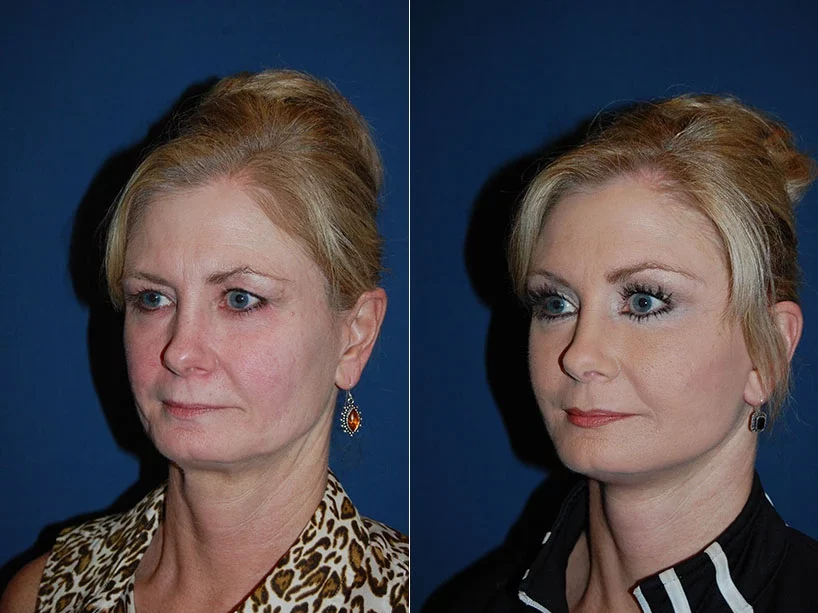
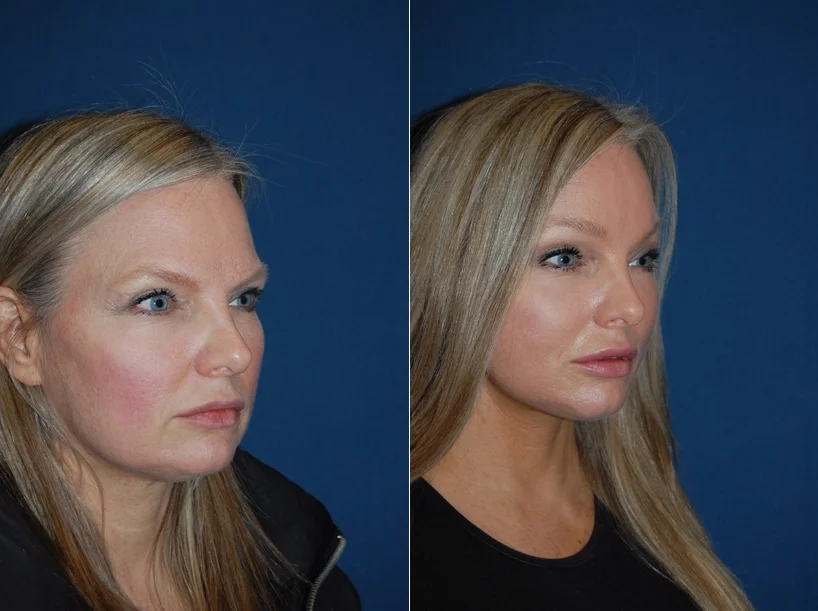
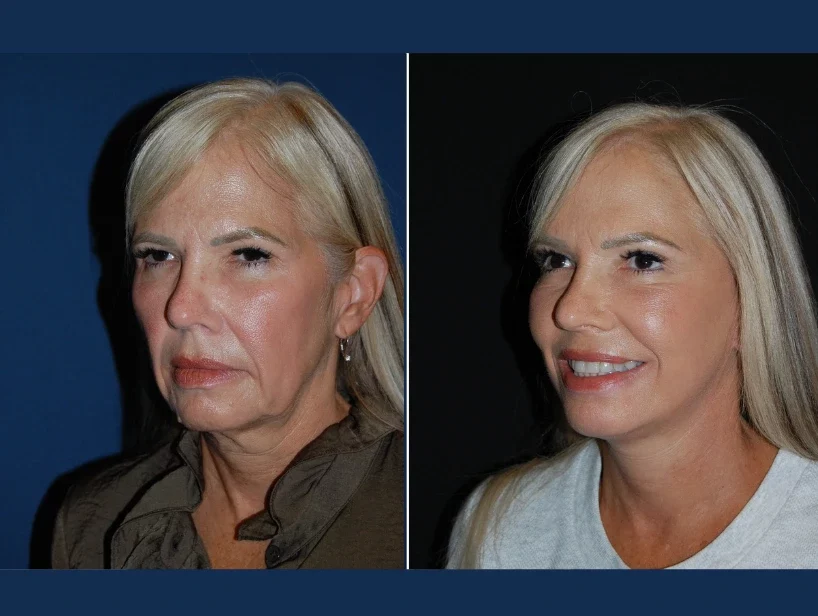
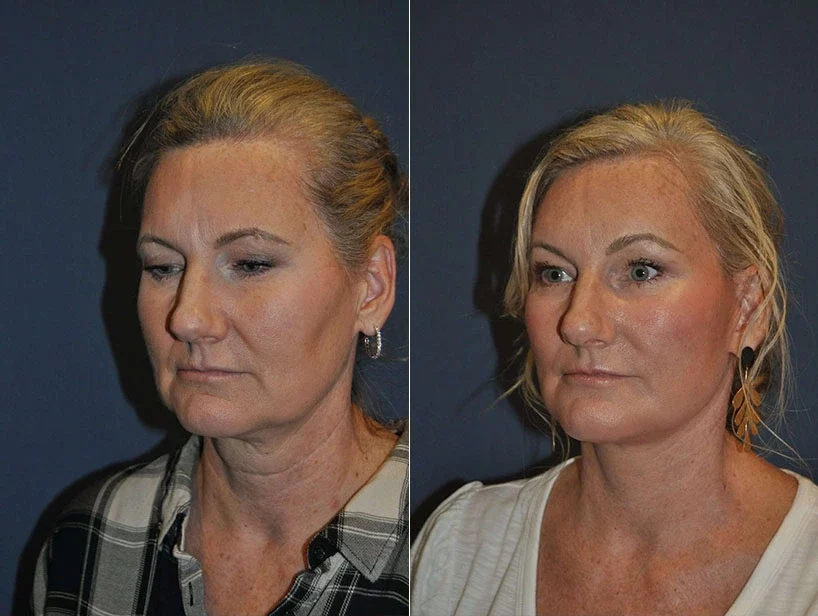
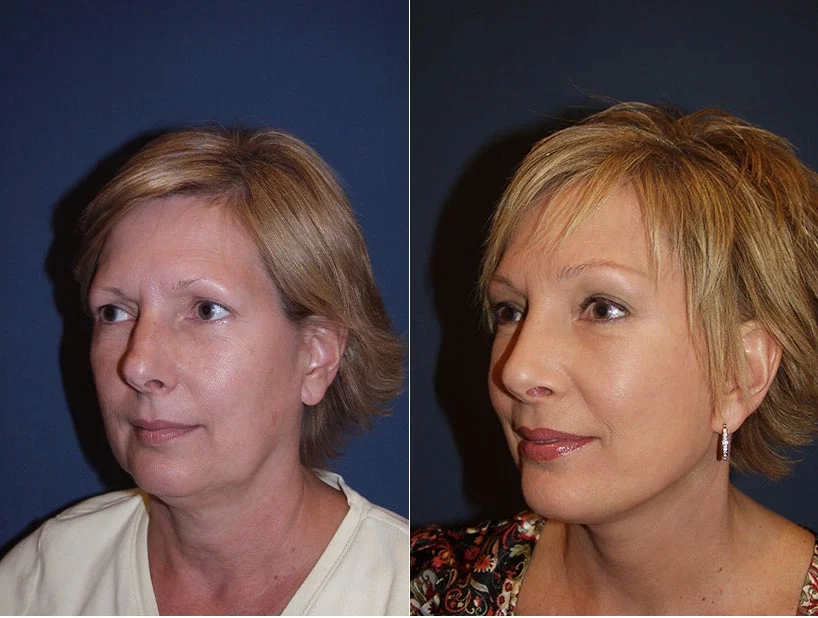
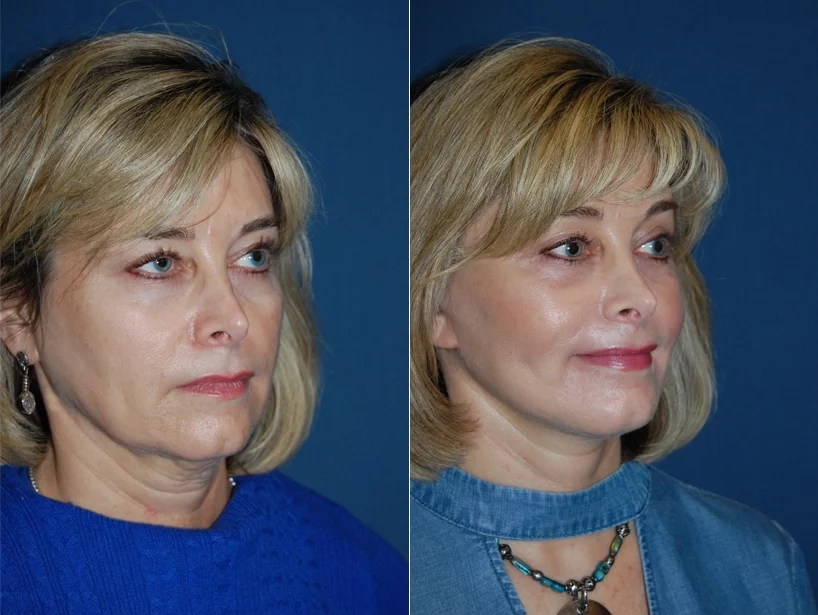
Start by consulting with qualified surgeons to understand your options and candidacy. Ask questions, review before-and-after photos, and take time to consider whether now is the right moment for you. Some people benefit from intervening early, while others prefer to wait until aging signs become more pronounced. There’s no wrong choice, only the choice that’s right for you and your goals.
Dr. Sean Freeman
Dec 01, 2025
Determining the right time for cosmetic surgery requires understanding how traditional facelift surgery aims to address your specific concerns, whether that involves moderate signs of aging, deep wrinkles, loss of facial volume, or the need for a neck lift. An experienced facial plastic surgeon will evaluate your unique facial structure, skin conditions, collagen production levels, and the amount of excess skin present to recommend the most appropriate surgical procedure. Remember that no two faces age identically, which is why personalized consultation is essential for achieving results that look natural and harmonious with your features.
Working with a skilled facial plastic surgeon ensures you receive professional guidance tailored to your individual needs and aesthetic goals. Whether you’re in your 40s addressing early changes or in your 60s seeking more comprehensive rejuvenation, the right timing is when you’re ready to invest in yourself and work with a qualified professional who understands the artistry and science behind facial rejuvenation. Take the first step by scheduling consultations, asking thoughtful questions, and choosing a surgeon whose skills and approach align with your vision for a refreshed, confident version of yourself.